YouTube Is Running Two Live Attention Experiments at Once. Advertisers Should Be Paying Attention.
Google doesn't know which screen you're watching. In the past week, they ran two separate experiments to solve that problem — and reached opposite conclusions on each.
RE: YouTube TV
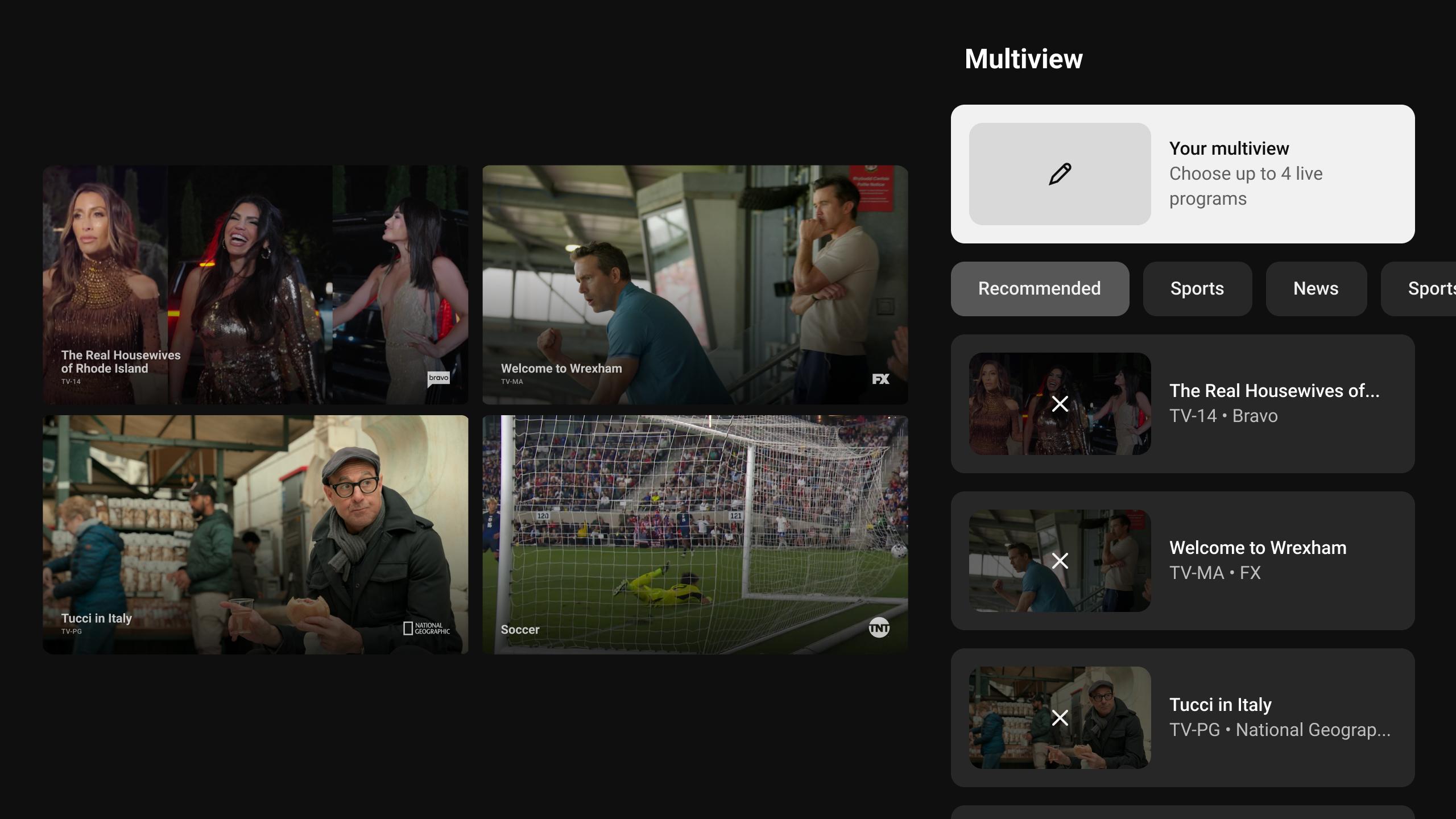
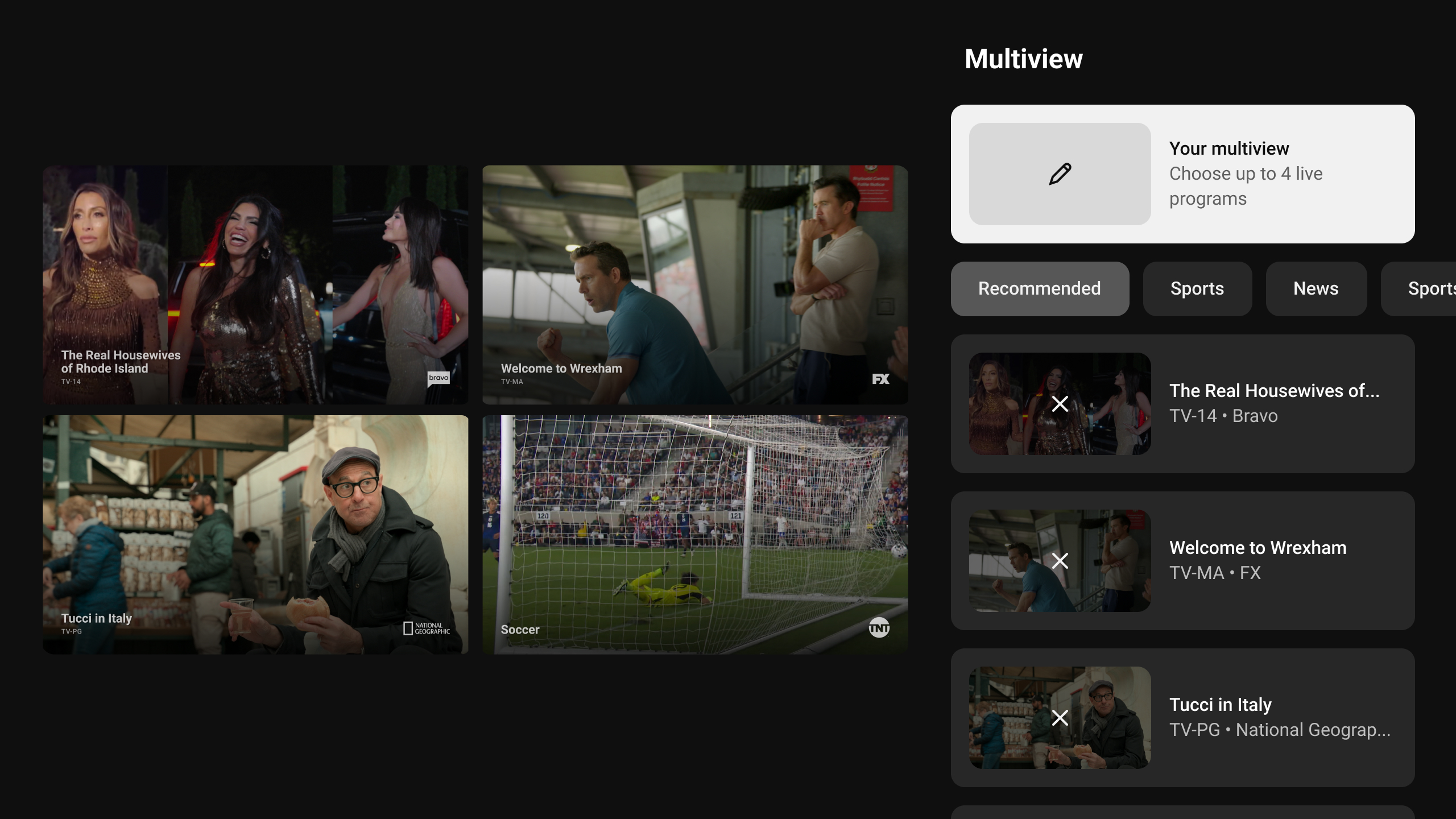
CEO Neal Mohan announced fully customizable multiview — any four live channels, any combination, subscriber's choice. The UX story is control. The infrastructure story is different. YouTube TV processes multiview server-side, meaning Google assembles the feed, not the device. The subscriber thinks they built the screen. Google controls the composition layer — and the ad decisioning underneath it.
"The new multiview builder gives you full control to mix and match live streams (including add-ons like NFL Sunday Ticket), and build the personalized viewing experience you've been asking for." - Neal Mohan, CEO of YouTube
RE: YouTube
The answer is blunter. Side-by-side livestream ads keep the video visible. They mute the livestream audio until the ad ends. The viewer can't restore it. When visual attention fragments across a split screen, Google forces auditory attention instead. Audio becomes the attention proxy.
Two products. Two architectures. Two unsolved problems for buyers.
On YouTube TV, a media planner buying a live sports placement doesn't know which of four screens their creative occupies — or whether the subscriber ever saw it. On YouTube, a brand's message now plays against a livestream the viewer is actively watching but cannot hear. The moment the ad fires, the context that justified the buy goes silent.
Google is the only player running a cable replacement and an open creator platform simultaneously at scale. That makes it the only company stress-testing live attention monetization across both content models at the same time. The experiments are parallel but the results aren't in yet.
For media buyers, the implication is direct. You are not buying a screen. You are buying whichever signal Google decides is the attention signal this week. On YouTube TV, that is compositional control. On YouTube, it is audio dominance. The definitions are different. The dependency remains the same.
Get the SOS. Brief
The sharpest streaming intelligence, delivered to your inbox.