The Stanley Cup Final Had Its Biggest Audience in Seven Years. DIRECTV Subscribers in Twelve Markets Watched It on a Different App.
Key Takeaways
Carriage disputes fragment audiences mid-campaign without warning. When a distributor loses a local affiliate during a live sports series, the audience migrates to a different surface with different measurement, different targeting, and different inventory. Your campaign plan doesn't automatically follow it.
The DIRECTV sports subscriber base is smaller than your planning cycle assumes. Less than 10% of DIRECTV pay TV subscribers use its streaming genre packages. Satellite is the primary product. Twelve major markets couldn't watch Stanley Cup Final games on their television. They were redirected to an app.
This will happen again. Three major carriage disputes in sixty days — Scripps, Griffin Media in Oklahoma, Comcast dropping Scripps in April before restoring. This is a recurring feature of the pay TV business model, not an exception. Any live sports buy on a legacy distributor carries this risk by default.
The most-watched Stanley Cup Final in seven years is happening right now. Game 1 averaged 4.78 million viewers on ABC — the highest Game 1 audience since 2019, up 54% from 2024. Playoff viewership is up 59% year over year, the highest on record through three rounds dating back to 1994.
And a meaningful portion of DIRECTV subscribers who paid for sports packages to watch it were told to open an app instead.
The Perfect Storm of Streaming
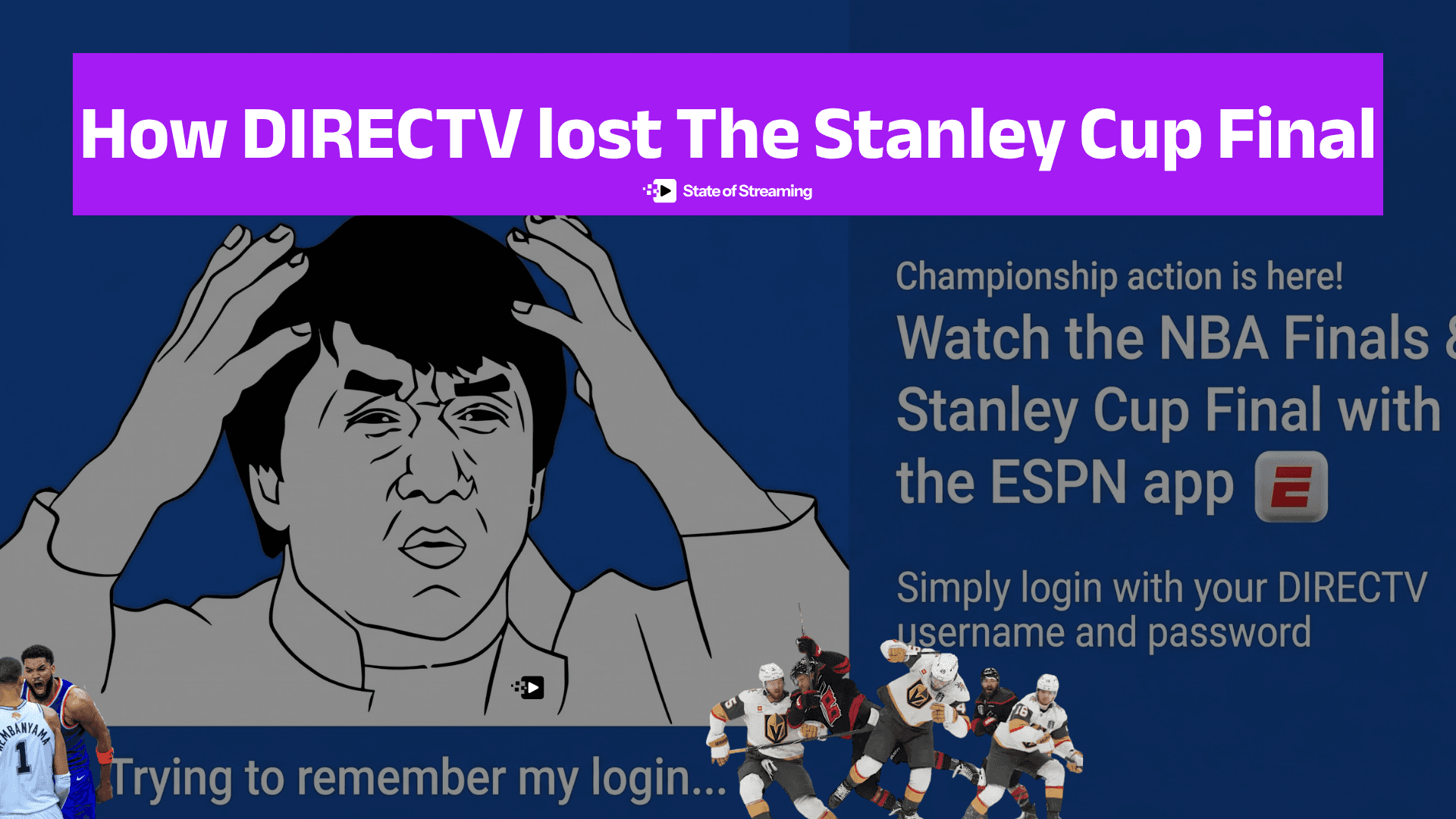
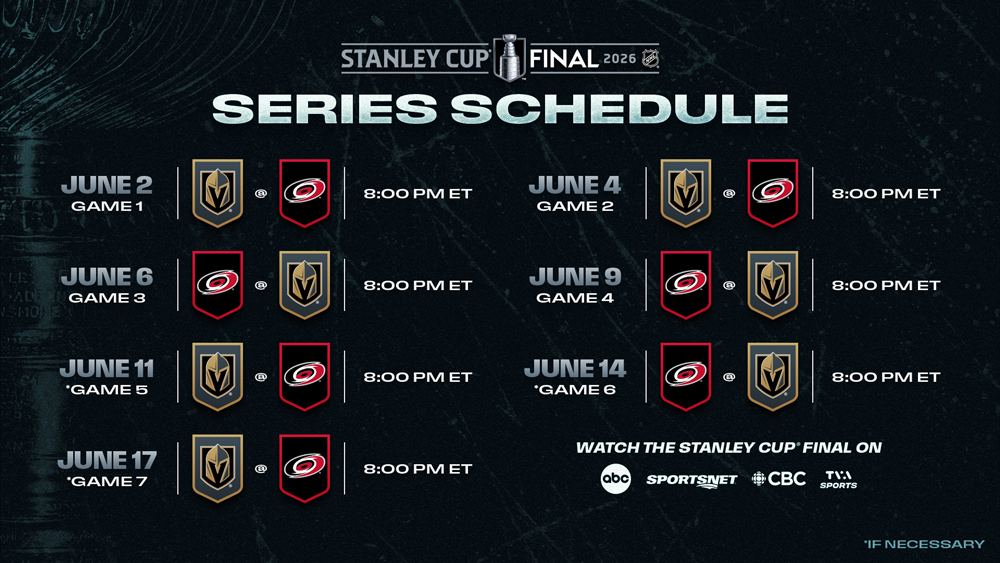
DIRECTV's carriage contract with E.W. Scripps expired at the end of May without a new deal. Scripps owns the local ABC affiliate in Las Vegas — where the Golden Knights play — plus affiliates in Tampa, Detroit, Denver, San Diego and seven other markets. Subscribers in those markets lost access to their local ABC station. Stanley Cup Final games are on ABC.
DIRECTV's resolution: authenticated subscribers can still access games through the ESPN app using their DIRECTV credentials. Technically available. But definitely not what subscribers paid for.
Scripps CEO Adam Symson was direct:
"Rather than rationalize their lineups and end the carriage and payment for a bunch of zombie channels owned by bigger multi-billion dollar conglomerates that have leverage over them, they are screwing with the consumer and what the consumer actually wants to watch, which is broadcast television, local journalism and local sports."
The timing made it worse. DIRECTV raised prices on its MySports package less than two weeks before the Scripps contract expired. One subscriber tracked the cumulative damage:
"This upcoming $10 increase will mark $95 in price increases to the base plan since the service started nearly a decade ago."
Another subscriber who signed up in March 2026 is now paying 25% more than when they signed up.
The Churn Signal
Subscribers are announcing cancellations in real time and switching to YouTube TV. The most telling comment:
"The only reason I still have it is for live sports — I'll just cancel and come back in the fall when the NFL starts."
That's not a retained subscriber. That's a seasonal viewer cycling in and out around marquee events.

If you bought advertising against the Stanley Cup Final on DIRECTV, your audience fragmented across two surfaces mid-series. The subscribers who moved to the ESPN app are now in a different buying environment than the one you planned against.
The Stanley Cup Final audience is real and growing. The question is whether your buy is reaching it where it actually lives.
Hear from SOS. Editorial Lead, Nicholas Cardoso in his recent op-ed about exactly this:
A Cord-Cutter’s Quest to Catch the NBA Finals and How the Equation Changed
Get the SOS. Brief
The sharpest streaming intelligence, delivered to your inbox.