The Clock Is Being Redrawn But Has Your Daypart Strategy Caught Up?
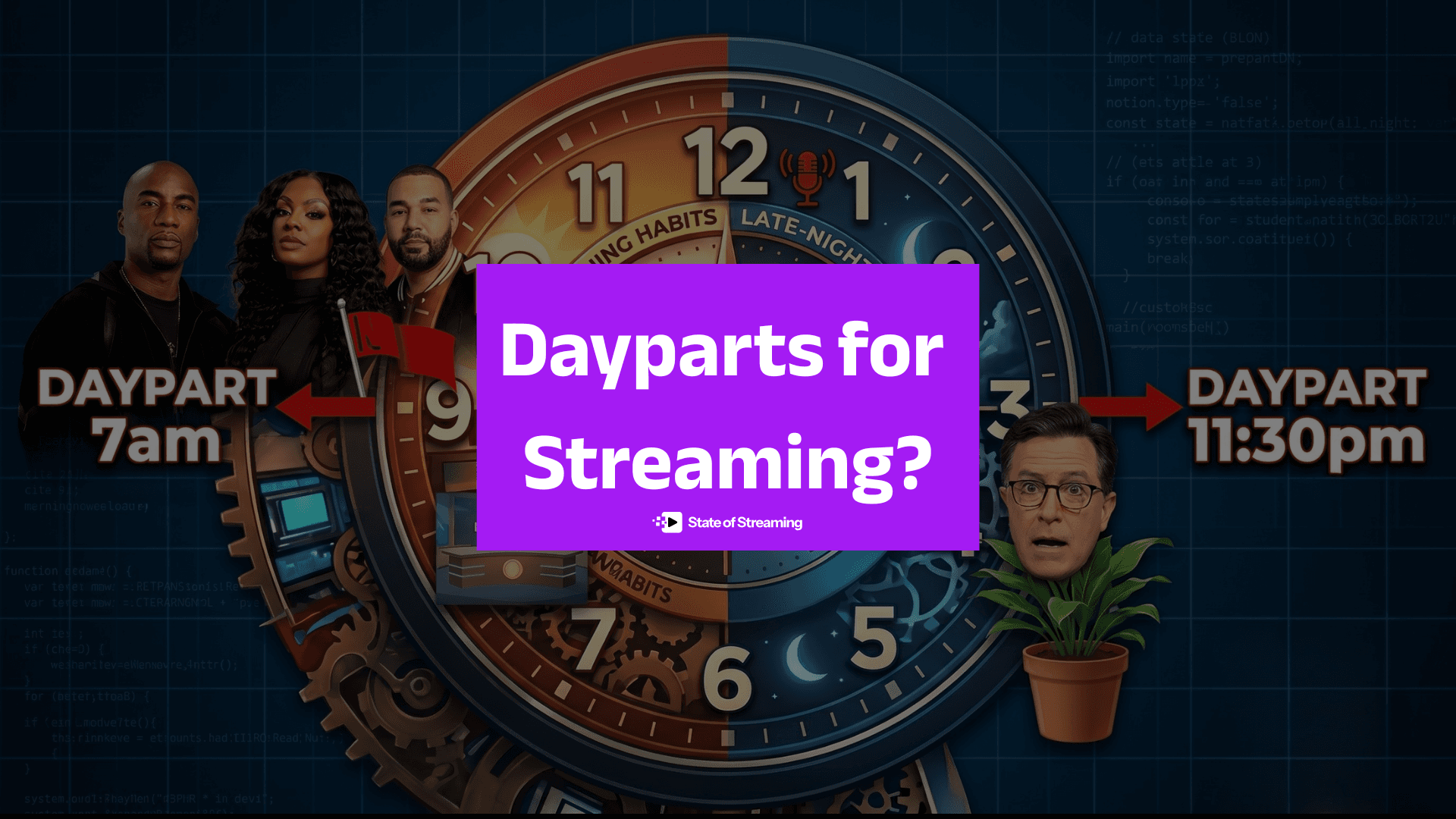
Three things happened in the past few weeks that most missed - here's what we saw and why we believe it matters.
Sequence of Events
Netflix announced a live weekday morning show — The Breakfast Club with Charlamagne tha God, streaming every weekday, competing directly with broadcast morning news.

Ben Gleib launched what's being billed as the first YouTube-native late-night show, producing 42 episodes from his Los Angeles home at an estimated cost of $1.5 million.

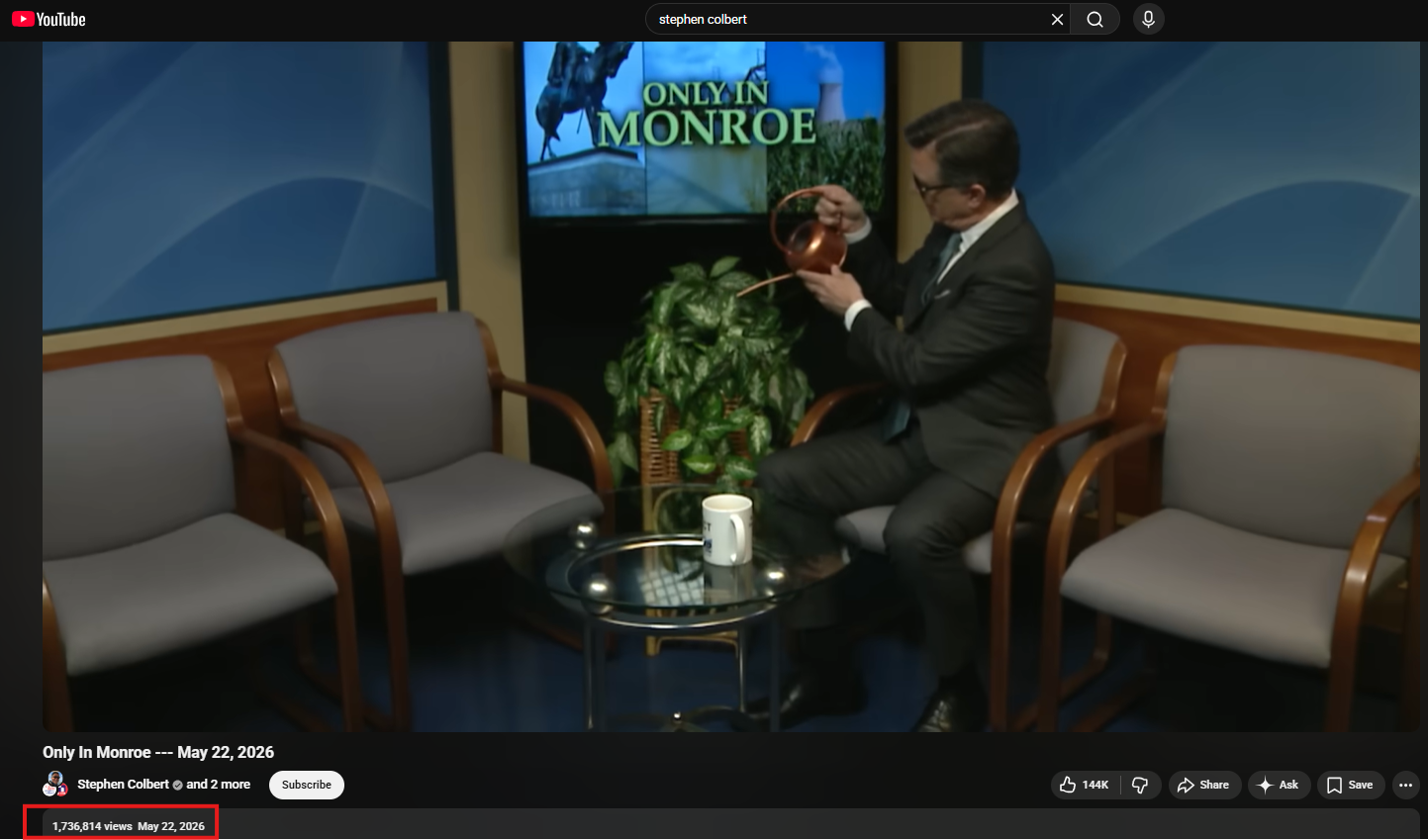
And Stephen Colbert launched a personal YouTube channel the day after his final CBS broadcast, accumulating 450,000 views in the first three days with a single video (now over 1.7M).
Morning. Late night. Both in the same news cycle. Both on streaming or YouTube. Both reaching real people and building genuine audiences.
What It Means For Your Media Plan
Daypart targeting on linear television is built on decades of audience behavior research. That research describes a world that no longer exists at scale.
The morning audience is fragmenting across Netflix live programming, YouTube video podcasts, and streaming audio with video. The late night audience is fragmenting across creator-led content, streaming apps, and niche channels with no Nielsen measurement and no standard ad buying path.
Netflix's average daily viewing per U.S. subscriber slipped 6% year-over-year in the first half of 2025 to 1.4 hours per day according to MoffettNathanson Research. That's an audience redistributing their attention across more surfaces.
Ben Gleib's framing is direct:
"The natural progression is for late night to move to YouTube."
Colbert's move backs it up. 450,000 views in three days from a standing start on a personal channel with no promotional infrastructure and no network behind it.
The Evolution of Dayparting
Dayparts were never really about time. They were about habit and habitat.
Morning news worked because people were in front of a television at 7am by default. Late night worked because the television was on after dinner and a familiar face was the easiest thing to leave running. Neither of those defaults exist anymore. The habit remains but the habitat evolved.
Morning and late night still exist as behavioral contexts and they're being rebuilt on platforms that may or may not map to your current buying infrastructure. Figure out where they are before your competitors do.
Get the SOS. Brief
The sharpest streaming intelligence, delivered to your inbox.