Disney, Hulu, and Project Gemini: The Bundle Didn't Die, It Just Changed Hands.
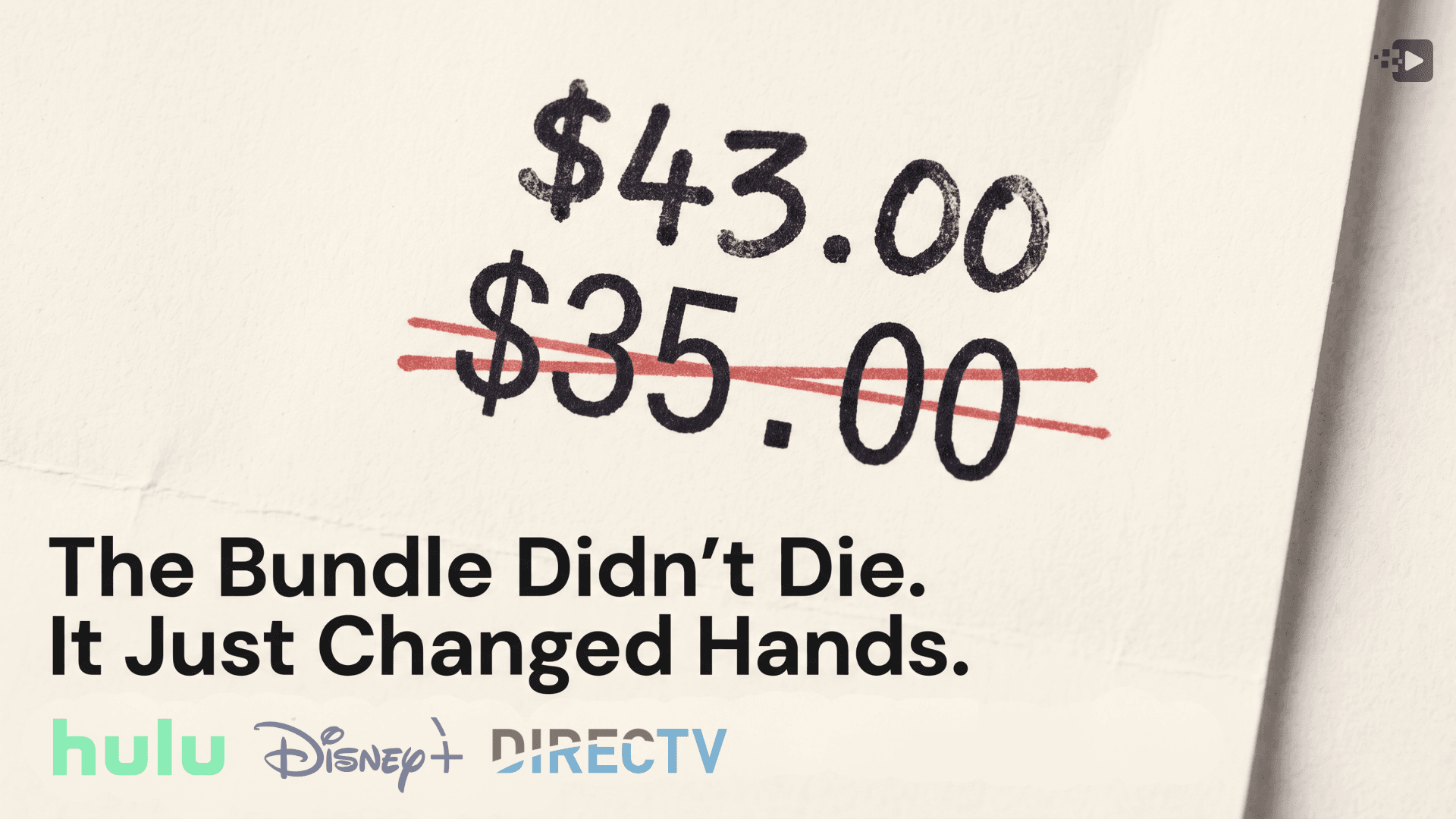
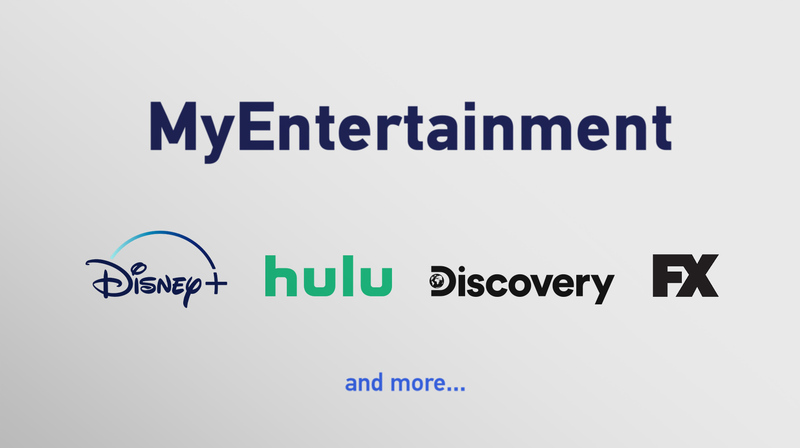
Disney is executing Project Gemini — a staged shutdown of the standalone Hulu app, moving every subscriber onto Disney+. Simultaneously, DIRECTV is raising prices on its genre-based packages. MyEntertainment jumps from $35 to $43. MyNews from $40 to $45.
Different companies.
Different moves.
Same outcome: the audiences you've been buying against are being reorganized and nobody called to tell you.
What Changed And Why It Matters
If you're a regional or local advertiser running campaigns on streaming — whether through a DSP, a local agency, or directly through a streamer — you've been buying against audience definitions that were built on a specific data architecture.
Hulu built its targeting on viewing behavior. What people watch, how long they watch, what they watch next. That's the data that made a Hulu buy feel precise — you could reach adults 35-54 in your market who watch cooking content, or parents of young kids in a specific DMA.
When those subscribers migrate to Disney+, that behavioral profile moves to a new platform with a different ad tech stack. The audience still exists. Whether your current buy reaches them the same way is a different question.
DIRECTV's genre packages create a parallel issue closer to home. Local and regional advertisers have historically used DIRECTV as a reliable way to reach specific audience types — sports fans, news viewers, Spanish-speaking households. The genre packages were supposed to make that simpler. In practice they're making the underlying data more complex. A MyEntertainment subscriber isn't just a DIRECTV subscriber anymore. They're a DIRECTV subscriber with Disney+, Hulu, and HBO Max bundled inside one bill. The identity signal that connects that household to your ad buy is now routing through more layers than it used to.
Questions Worth Asking Your Rep
Whether you're buying through a local cable company, a regional agency, a DSP, or directly through a streaming platform, these are worth asking before you launch your next campaign:
Has anything changed about how this audience is defined since last quarter?
Am I reaching the same households I was reaching six months ago or has the data source underneath this buy changed?
If I'm targeting by geography and content preference, is that built on viewing data or billing data — and what's the difference in reach?
If Hulu is shutting down, what happens to the Hulu audience segments I've been buying against?
You don't need to know what Project Gemini is to ask these questions. You just need to know that the platforms you're buying on are reorganizing their subscriber bases and the data underneath your campaigns is moving with them.
The Simple Version
The streaming services you advertise on will continue consolidating. When they consolidate, audiences get remapped. When audiences get remapped, the targeting logic your campaigns were built on can drift without triggering any alerts.
The best time to check is before it shows up in your results.
Get the SOS. Brief
The sharpest streaming intelligence, delivered to your inbox.