The Meter Is the Market - Attention Capital | A Column by Josh Stein

Editor's Note
Attention Capital is a syndicated column by Josh Stein decoding the economics of media, sports, and platform ecosystems — where attention becomes enterprise value and the contracts behind the cash flow get priced like the credit they actually are. The NFL just posted its best ratings since 1989 while simultaneously warning that Nielsen's meter is undercounting millions of viewers. With $111 billion in media rights on the line, the dispute over co-viewing factors isn't just about survey methodology — it's a mark-to-market fight over the reference rate that prices sports television.
The NFL finished the 2025 season with its best television numbers since 1989. Games averaged 18.7 million viewers; in records dating back to 1988, only 1989 surpasses it.
The Super Bowl drew 125.6 million, behind only the previous year’s game. Even that number moved. The initial print said 124.9 million; three weeks later, Nielsen’s verified final added 700,000 viewers. This is an essay about a number that will not hold still, and the trouble starts in the lede.
Then, in the two weeks before the new season, the league’s chief data and analytics officer joined reporters on a call and disputed the meter behind every number above.
He was loud about it. Paul Ballew called Nielsen’s latest methodology changes a “misstep” and warned they would leave the season’s measurement “muddled.” Ahead of last season he had told the Wall Street Journal that Nielsen was systematically undercounting millions of football viewers. The league’s position, held publicly across two season openers now, is that the best year since 1989 was reported low.
Both halves are true at once. A record, and the record’s beneficiary insisting the record understates.
Most industries would take the trophy and stop talking. The NFL keeps talking, because the number on the trophy is also the number on the invoice. The league’s media agreements run about $111 billion through the 2033 season, and the next negotiation opens from whatever number the meter prints.
Welcome back to Attention Capital
In The Sports Bond, I argued that sports media rights are the largest pool of contractually durable cash flow in modern media, roughly $300 billion committed through 2033, and that the market underwrites them as media spend when it should underwrite them as credit. In The Presold Epic, I argued that the industry’s deeper shift is demand moving from guessed to counted. This essay is where those two lines cross. The biggest borrower of audience truth in the world just told its measurement vendor, in public, that the count is off by millions. Measurement is the surface. What’s actually moving is risk, and who holds it.
For the Attention-Constrained
The dispute.
Nielsen moved a package of methodology changes into its national currency on August 31, days before NFL kickoff, including a new passive co-viewing measure and revised weighting formulas. The NFL’s data chief called the timing rushed and the early results “really negative for us, and for sports overall.” Nielsen answered that it is delivering “the most accurate TV measurement ever, especially when it comes to live sports.” Eric Fisher’s reporting at Front Office Sports carries the exchange.
The stakes.
The NFL’s media deals run about $111 billion through 2033. Ad guarantees and make-goods settle against Nielsen’s number, and rights negotiations start from it. There is no second official print.
The number.
Nielsen’s Super Bowl co-viewing factor, as the league describes it, runs about 2.3 to 2.4 viewers per household. The NFL, citing third-party research including work from the University of Chicago, argues the true factor is 2.8 to 2.9, and that the gap could represent 15 to 20 million uncounted viewers on the single biggest broadcast in the country. If the league’s research holds, the count on the largest television event in America misses more people than live in all but four states. That claim comes from the asset’s own owner, and it stays a claim until somebody settles it.
The pattern.
Nielsen has moved its methodology four times in six years: out-of-home viewing entered the currency in 2020, expanded to full national coverage six days before Super Bowl LIX, Big Data + Panel became the currency in September 2025, and passive co-viewing arrived August 31. Each of those four lifted sports viewership. Across the same six years, pay-TV lost about 5 million subscribers in a single year at the worst of it. Records, printed during decline. Both honest readings of that pattern appear below, and the essay holds both.
The escalation.
Ballew, in August: “It is time for us to double down on our efforts to determine alternatives in the marketplace.” The meter’s marquee property is openly shopping. Currencies do not survive that indefinitely.
I. A Pricing Dispute Wearing a Ratings Costume

Start with the mechanics, because the mechanics are where the money hides.
Nielsen’s national number is built from a panel of metered homes fused with what the company calls Big Data: viewing signals from about 45 million households and 75 million devices, set-top boxes and smart TVs, layered onto the panel that has anchored the currency since the broadcast era. The machine counts screens well. The fight is about the people in front of them.
Co-viewing is the industry’s word for the second, third, and fifth person in the room. A set-top box reports that one television is tuned to the game. It does not report the family around it, the friends on the couch, the crowd at the bar.
To turn tuned sets into human beings, the meter applies a multiplier. The multiplier is where football lives or dies. Football gets watched in groups, week after week, at a scale nothing else on television touches. A drama miscounted by a tenth of a person per set is a rounding error. A Super Bowl miscounted by half a person per set is a stadium of stadiums.
That is the substance of Ballew’s original complaint. At a league media call in September 2025, he said Nielsen’s roughly 2.3 to 2.4 persons-per-household factor for the Super Bowl made no sense against third-party research putting the figure at 2.8 to 2.9, and that the difference could represent 15 to 20 million viewers on that one broadcast.
Nielsen has been working on the same piece of the instrument, on its own timetable. Its February 2026 pilot measured co-viewing passively, through wearable meters, and retired the button panelists were supposed to press. Marquee live events came in 4.19% higher on average in the pilot. Nielsen’s product strategist explained the design plainly: people, he said, tend to be lazy about logging themselves in, so the wearable does the logging for them. The vendor’s own redesign treats the button as the weak point. How much the button missed, if the passive numbers hold, is the open question, and 4% and 20 million are very different answers.
So far this reads like progress. The August fight is about what rode in alongside it.
Nielsen packaged the co-viewing fix with revised weighting formulas and universe adjustments, nearly shipped the bundle in October 2025, pulled it back, then landed it on August 31, days before kickoff. Ballew’s August scorecard split the package: the co-viewing piece reads positive, the weighting changes read “like a negative for sports,” and the league lacks the impact data to fully assess either. His own estimate puts properly measured co-viewing at least two years out. On that timeline, the biggest television property in America plays at least two more seasons against a number its owner calls provisional. ESPN, which writes some of the biggest checks against that number, told Fisher it wants the sports impact better understood too.
The research language is a costume here. Ballew again, from the same August call: “This is not an abstract issue for us. It has a direct effect on our operations, and the decisions we make.”
A year of public statements, timed to back-to-back season openers, is a long campaign for survey design. It is exactly the right cadence for a mark. The NFL holds an asset whose price is set by a third party’s estimate; it believes the estimate runs millions low, and it is saying so through the press because that is where you contest a mark when no court exists for it.
The same tape supports a second reading, and it deserves equal weight. A rights holder with opt-out windows ahead has every commercial reason to build the undercount case on the record before negotiations open. The opt-outs open years before the deals end, and the commissioner has said publicly he is open to reopening early. Every million viewers added to the official count raises the base the next fee gets negotiated from, which makes the campaign worth running whether or not the league believes a word of its own research. Conviction or preparation. The record supports both, and nothing in this essay requires choosing, because either motive lands in the same place: the number is contested by the party with the most money riding on it.
A ratings quarrel ends in a memo. A mark-to-market fight ends in a repricing.
Ad guarantees and make-goods across sports television settle against this one estimate, and rights negotiations start from it. Nothing else in the market has standing to overrule it. When the asset holder disputes the estimate, the dispute is the market event. The rest is methodology.
II. The Reference Rate Nobody Ratified
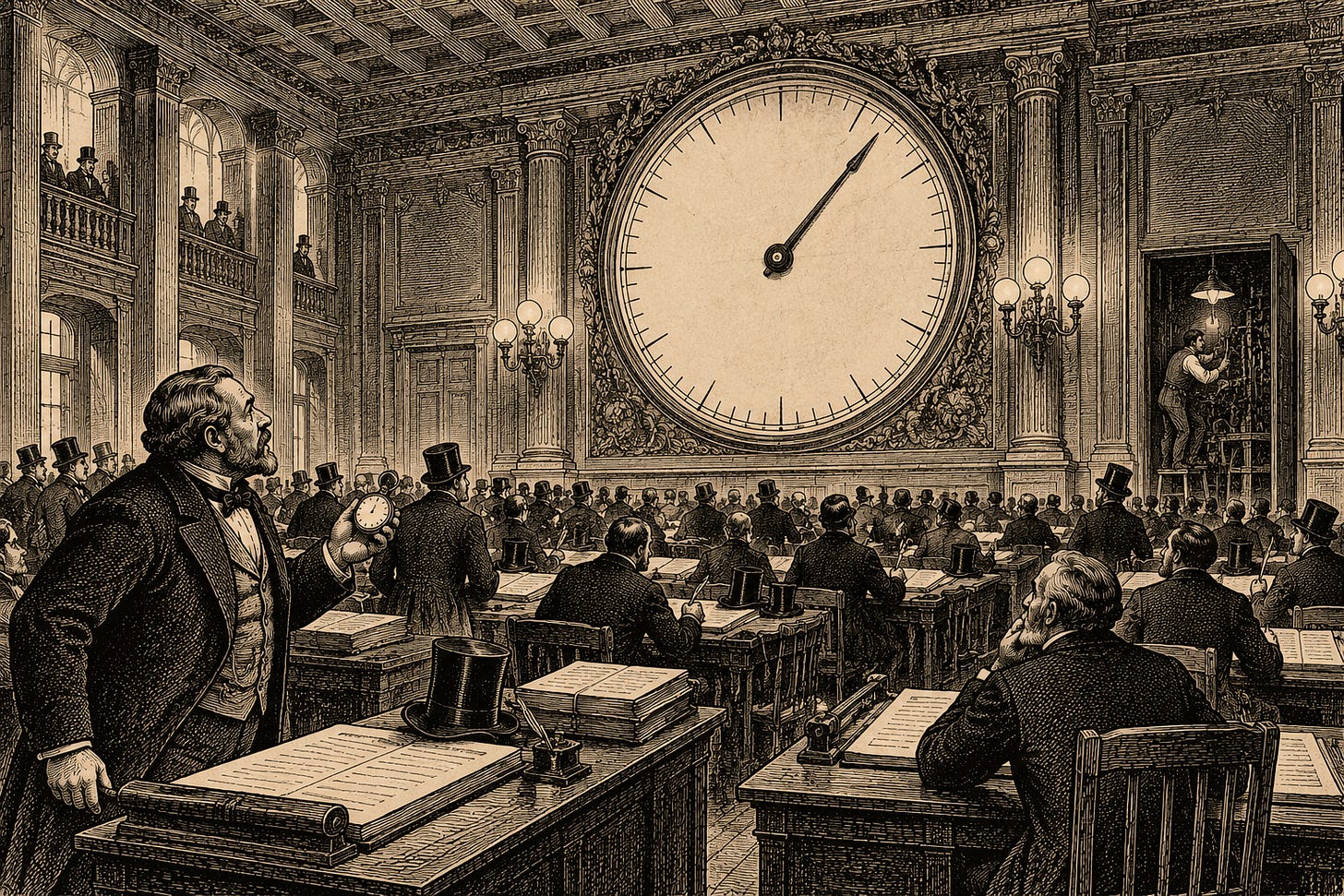
Step back far enough, and the strangeness of the arrangement comes into focus.
Every large asset class runs on a reference layer that its participants have, in some meaningful way, ratified. Treasuries price off a yield curve built from actual auctions and actual trades. Equities price off exchange prints, each one a real transaction between a real buyer and a real seller. Music royalties, the asset class this publication has tracked from Bowie Bonds forward, price off consumption counts: logged streams, deduplicated, audited into collection societies built over a century.
Sports television prices off a panel extrapolation. One private vendor produces it, holding roughly 90% of the market. And the most heavily financed property on that meter now says, on the record, that it believes the extrapolation runs systematically low.
Nobody ratified this. It accreted. Nielsen became the currency in the 1950s because three networks and their advertisers needed one arbiter more than they needed a correct one, and a panel of a few thousand homes was the best instrument the era could build. The arrangement hardened the way infrastructure does: contract after contract referenced the number, so contract after contract needed the number, and the number became load-bearing regardless of its accuracy. The Media Rating Council audits it. The industry funds it. And the edifice runs on a private company selling the truth about a market to the market itself.
The load has been tested before. In 2021, Nielsen lost its MRC accreditation after undercounting out-of-home viewing during the pandemic. Worth remembering, because that error ran in the other direction, and the industry’s response was fury, followed by continued use. There was nothing else to use. That is what a reference rate without an alternative looks like under stress: it fails an audit and keeps the franchise.
Against that reference layer sits the contracted money. The NFL package alone: $111 billion, 11 years, through 2033, with the broader committed pool across leagues running toward the $300 billion this publication mapped in The Sports Bond. All of it negotiated against the meter. All of it renewing against the meter. The deals carry opt-outs that let the league reopen pricing years early, which means the next negotiation is always closer than the contract’s end date suggests, and every negotiation begins from the same question: how many people were actually watching?
The asset holder’s current answer, stated to the Wall Street Journal: it believes the count runs millions low.
III. Four Changes, One Direction
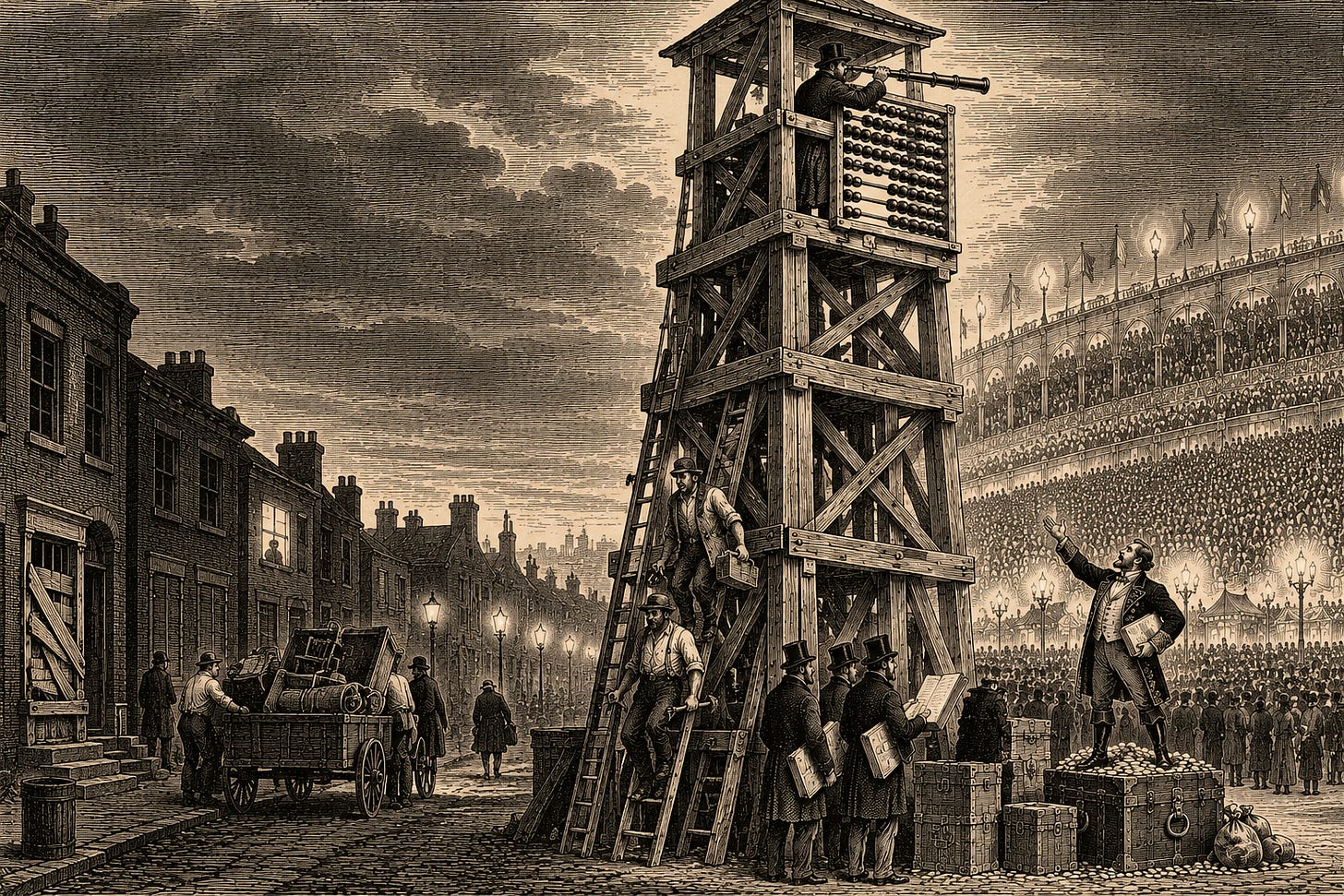
Here is the section that makes this essay harder to write, and the one that has to be written for the argument to deserve trust.
The meter’s own movement is a matter of record. In September 2020, Nielsen added out-of-home viewing to the national currency, bringing bars, restaurants, gyms, and airports into the count for the first time. In February 2025, it expanded that measurement to the full country, six days before Super Bowl LIX. In September 2025, Big Data + Panel became the official currency, folding roughly 45 million homes’ worth of set-top boxes and smart TVs into the estimate. On August 31, 2026, passive co-viewing arrived, behind a pilot that had lifted marquee events 4.19%.
Four major changes in six years. Every one of the four moved sports viewership up. A fifth movement rode in with the last one, the August weighting adjustments, and that one cut against sports, by the league’s own account. Hold onto the fifth. It comes back.
The lifts run big. Out-of-home is disproportionately a sports category, because the sports bar is a measurement problem with a liquor license. Under the new stack, the 2025 season printed its 18.7 million average. Thanksgiving’s Cowboys game reached 57.2 million viewers and broke a record set hours earlier the same day. Even the college basketball regular season posted audiences unseen since 1993.
Now the same six years from underneath. Pay-TV distributors shed subscribers through the entire period, about 5 million in 2023 alone, the worst year Leichtman had recorded, after 4.7 million in 2021. The homes kept leaving. The sports numbers kept climbing.
Two honest readings of that pattern, and you cannot fully separate them from the outside.
Reading one: the meter is finally catching audiences it always missed. The evidence is real. Group viewing is how football is physically consumed. The out-of-home audience existed for decades before 2020 and simply went uncounted. The co-viewing pilot’s lift came off wearables on real people in real rooms. On this reading, six years of upward revisions are six years of repair, the NFL’s 2.8 claim is one more repair pending, and the cord-cutting contradiction resolves cleanly: the households that remain skew heavily toward the one genre that still requires live television.
Reading two: the meter is drifting toward what its constituencies need it to say. The evidence is just as real, and just as specific. Nielsen’s revenue comes from the networks and leagues whose product it grades, and each change that lifted sports lifted the invoices of the customers who fund the grader. The same Big Data + Panel rollout that set sports records drew a charge of “severe variability” from the Video Advertising Bureau, moved The CW to call the product fundamentally flawed as its wrestling numbers fell, and pushed NASCAR back to panel-only measurement entirely. The upgrades that favored the biggest properties read as flaws to the properties they cut against.
The one component of the August package that runs negative for sports drew a league protest within days. The four changes that ran positive drew none, publicly, from the league. Every constituency in this market grades the meter by its own book, the NFL included. That cuts against no one in particular. It cuts against the idea that anyone inside the chain can referee it.
Both readings can be true at once. The NFL wanting a higher number and the higher number being correct can both hold. So can Nielsen improving its instrument and Nielsen’s improvements landing, again and again, on the side its revenue prefers. From outside the machine, no observer can fully adjudicate between repair and drift, because the only data that could settle it is produced by the instrument in question.
Records, printed during decline.

Which is precisely the problem. A reference rate you cannot audit from outside is a reference rate held on faith. The party the number has been favoring is now doubting it in public, and the doubt reads both ways: against interest if the league believes its research, straight down the middle of interest if the league is building a file. Faith does not survive either version intact.
IV. The Inversion
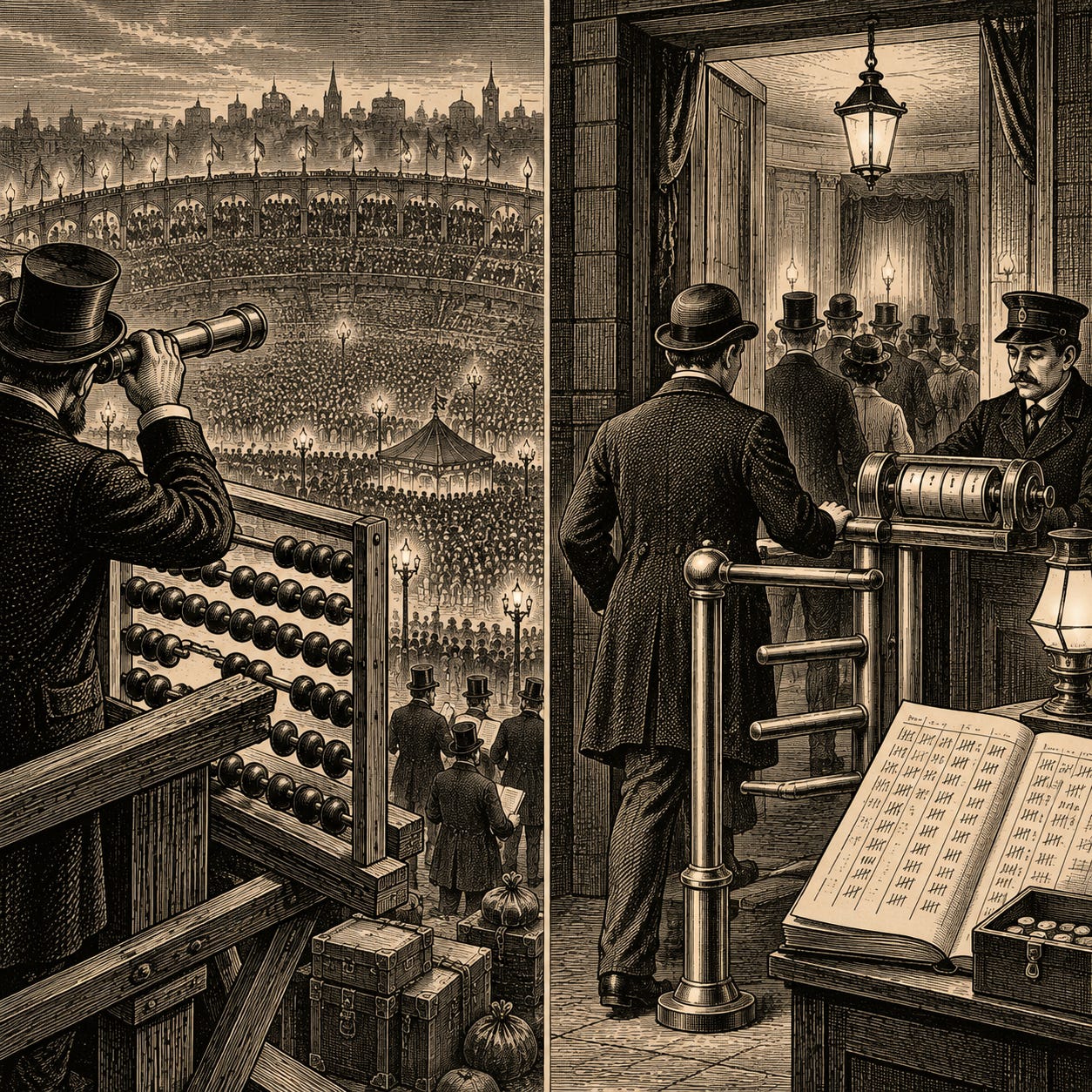
Now put the dispute next to the other half of the attention economy, because the comparison is this publication’s thesis compressed into one frame.
A mid-size YouTube channel, run by two people from a spare bedroom, can open a dashboard tonight and read second-by-second retention curves for every video it has ever posted. Unique viewers, deduplicated across devices. Watch time by geography, by traffic source, by returning versus new audience. Logged consumption, event by event, written down as it happens, because the pipe that delivers the video is the pipe that records the pull. No panel anywhere in the chain, and no multiplier.
The National Football League, the most valuable attention franchise in existence, backed by $111 billion in contracted media money, is arguing in public about how many people were in the room.
Hold those two facts side by side, and the inversion states itself. Legacy media has the most money and the worst telemetry. The creator economy has the best telemetry and almost none of the credit built on top of it. Each side holds exactly what the other needs.
One honest caveat belongs here, because The Default Nobody Declared built its argument on a related conflict: a platform reporting its own numbers is grading its own homework, and that structure has produced real failures. Platform metrics are platform-defined. What counts as a view, how the deduplication works, what the bot filters catch: all of it sits inside the company reporting the result, and none of it is independently audited. That problem is real, and this essay does not wave it away.
The argument is narrower. Both numbers arrive processed. What sits underneath the processing is the difference. Under the platform’s figure there is an event-level record, complete and timestamped, one line per stream, which a counterparty could audit if the books ever opened, and which the creator’s own off-platform records corroborate at the edges. Under the panel’s figure there is a sample and a model. Open those books, and there is no fuller count waiting inside; the extrapolation is the record. Neither number is gospel. One of them has receipts underneath it.
The convergence thesis says the instruments migrate toward the data. Finance goes where the measurement is. It went to mortgages when the pools were documented, to music when the streams were logged, and it is circling creator cash flow now for the same reason. What Section V prices is the other half of the migration: what happens to the asset class the money is already sitting in, when its measurement layer comes under dispute from within.
V. What the Fight Prices
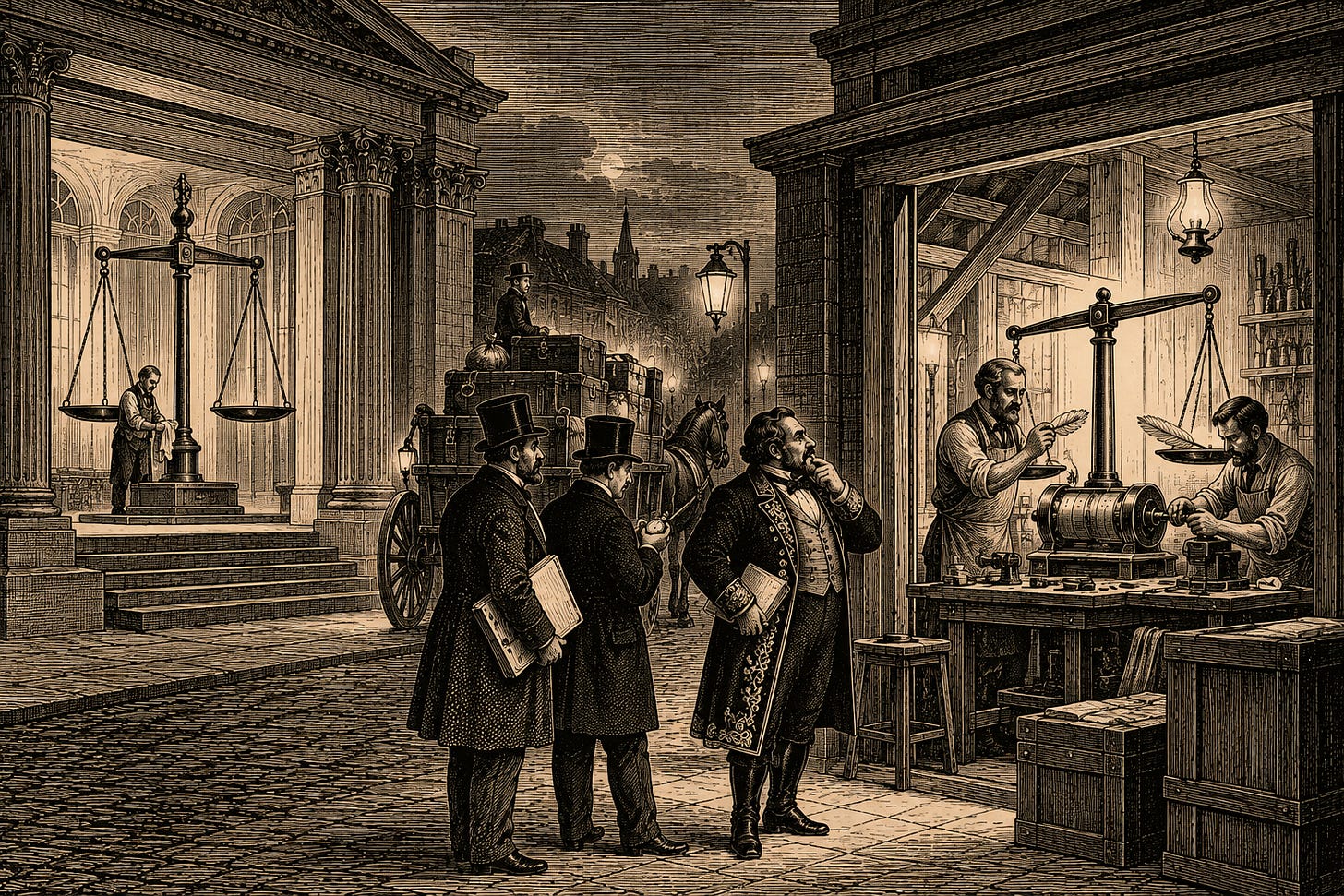
Pull up the allocator’s chair.
If the NFL is right, sports rights are cheap at current marks. That sentence cuts against a decade of consensus that sports rights are a bubble waiting on a pin. If the true Super Bowl audience runs 15 to 20 million above the print, as the league claims, and the season carries an undercount concentrated in exactly the group-viewing settings the meter handles worst, then football’s pricing was negotiated against an understated audience, and the next cycle reprices upward when the measurement catches up.
The buy-side objection arrives immediately, and it deserves the floor. Sophisticated buyers do not price purely off the print. They run brand lift, incrementality, and attribution outside the currency; they know what a Super Bowl party looks like; whatever they believe about football’s real audience is arguably already in the negotiated CPM. If the meter has understated football for years, the market has had years to price around it.
Grant the objection its full weight, then look at what it concedes. If buyers already believe football over-delivers, and price that belief privately, while every guarantee, make-good, and escalator stays indexed to the official print, then the mispricing lives in the paper, in the paper’s own terms. The league’s campaign is the mechanism for dragging the official mark up toward the private belief. And when a mark moves toward what the market already believed, everything indexed to the mark reprices anyway. Nobody spends back-to-back season openers fighting over a decorative number. The print is the index, whatever anyone privately believes.
If the fight instead fractures the currency, the repricing takes a different shape, and the mechanics deserve to be stated plainly. An 11-year deal struck against one measurement standard and renegotiated under another is exposed to the difference between the two. And a guarantee names its settlement currency in the contract, which used to be a formality, because there was only one candidate. Once a second currency clears anywhere, the naming becomes a negotiated term, and a portfolio of deals signed across the transition holds paper indexed to different meters for the same audience. The exposure lives at the book level. Once two currencies both clear, the first question in a media negotiation is which audience you mean, and only then what it costs.
The event to watch is the one already in motion: the incumbent losing its anchor property’s confidence. Ballew has called VideoAmp “intriguing” and said the league’s search for alternatives is accelerating. In August, he framed it as time to double down. Reference rates are network effects wearing lab coats. They hold because everyone uses them, and everyone uses them because everyone does. The structure rests on the biggest participants continuing to show up. When the most valuable single property in American television spends a year, opener to opener, describing the meter as wrong and the alternatives as interesting, the confidence that holds a network effect together is being tested in public.
Three watch items, each observable within a rights cycle. Whether an NFL-funded or NFL-adopted alternative currency emerges before the league’s next negotiating window. Whether other leagues follow the path NASCAR already walked, away from the flagship methodology. Whether the ad buy-side, which has to clear every trade, accepts a second currency at scale.
VI. What Would Change This Read
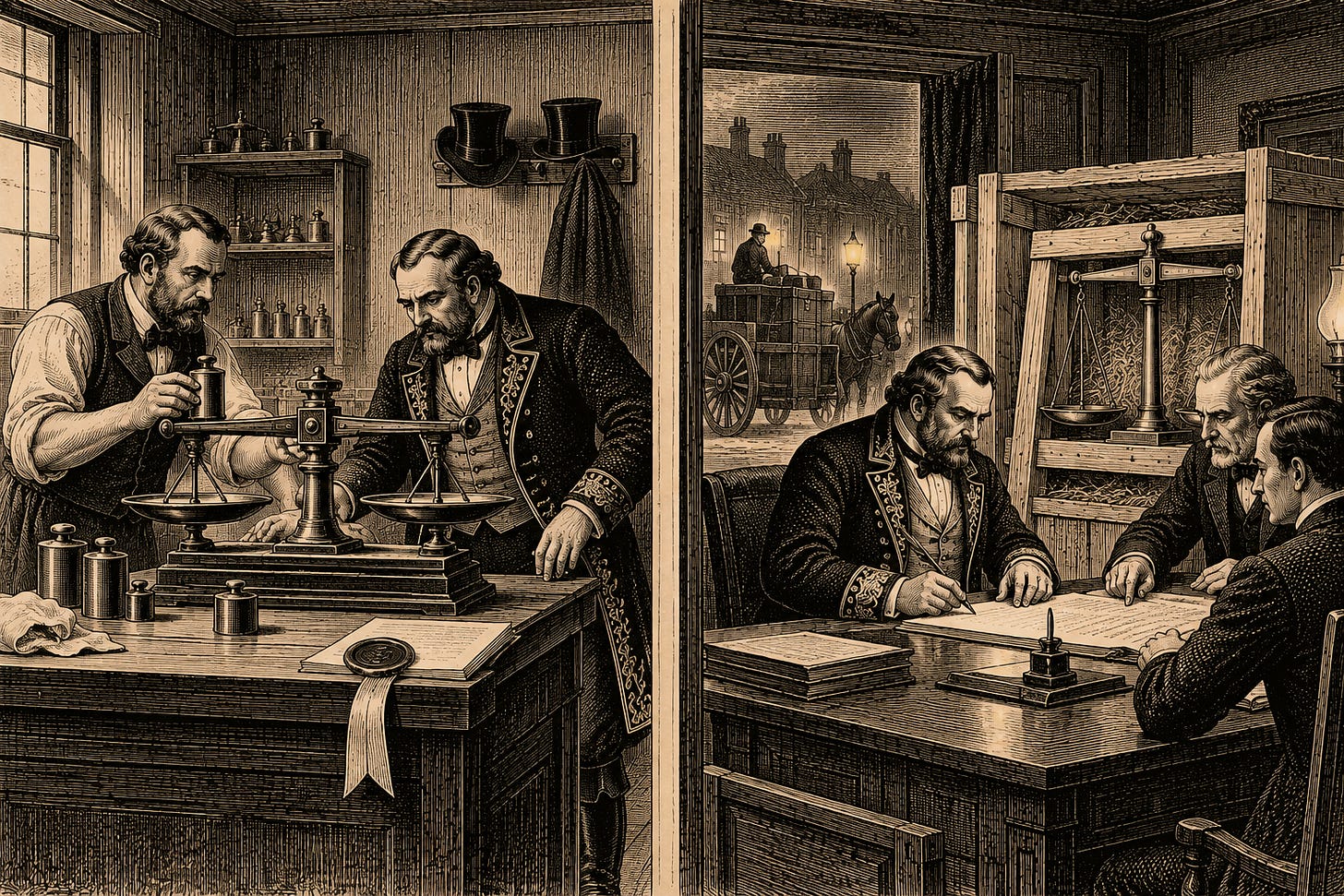
State the exits honestly, so the record can grade the essay.
Exit one: this was a vendor dispute, loud but ordinary. Nielsen’s co-viewing work completes inside the roughly two years Ballew himself projects. The passive measurement matures, the factor lands somewhere the league’s own research can live with, and the NFL publicly accepts the result. Currencies survive arguments; the 2021 accreditation loss looked existential and resolved into a footnote. If the league is settling into a repaired Nielsen number by the 2028 season, the reference-rate argument in this essay overread a procurement fight, and I’ll say so in plain terms.
Exit two: the NFL puts money or contracts behind a rival currency. Funding one into existence counts. Settling a real transaction off one counts more. Talk of intriguing alternatives is leverage, and leverage is cheap; a deal that clears on a non-Nielsen number is the event. If that prints with the league’s fingerprints on it, what looked like a methodology quarrel was the asset holder replacing the reference layer, and everything after was execution.
The third path is the likeliest one: nothing resolves. The dispute renews annually, the co-viewing work slips, the league keeps shopping without buying, and 2033 arrives with the argument still open. Score that path honestly, because it cuts against this essay as easily as for it. A stalemate the incumbent survives is the network effect proving itself: years of public doubt, no migration, every contract still clearing on the same print. The test inside a stalemate is direction of travel. If the alternatives are winning contracts and funding through it, the stalemate is exit two on a delay. If they stay at the margins while the complaints renew annually, the meter’s franchise is stronger than this essay reads it, and I’ll say that too. The spread between these outcomes is wide; it is observable, and the rights calendar sets the schedule. The story grades itself.
The Number on the Trophy
Return to where this started, because the contradiction never resolved. It deepened.
The NFL posted its best season since 1989 and disputed the ruler it was measured with, inside the same 12 months. The record is real, printed by the only instrument with standing to print one. The dispute is real, and it reads two ways at once: a holder correcting a bad mark, or a holder building a negotiating file. The league will bank the record and keep contesting the method. The believer does exactly that. So does the negotiator.
So one question is left. What was the actual number? How many human beings watched the NFL last season?
Nobody knows. That answer is the entire essay. The most financed attention asset on earth, carrying $111 billion of committed money, cannot settle the first question an underwriter would ask about it. There is one official count, and the asset’s owner claims publicly that it misses millions. That is the state of the measurement layer at the top of this asset class, and sports television is just where the fight is loudest.
An asset class this large ends in one of two places, no matter how long the stalemate runs. Either the instrument gets rebuilt to a standard the participants ratify, which is infrastructure arriving, or the participants route around it, which is repricing arriving. Both are events.
Two questions linger. If the count ever settles, who spent the intervening years on the right side of it? And the older question, the one a creator’s dashboard answers every night at a resolution the NFL is still fighting for: what does it cost an asset class when nobody can say who was in the room?
Why Subscribe
Because the biggest attention franchise in the world has spent two season openers arguing that its own number is wrong, and $111 billion of contracts still settle against it.
Every week, Attention Capital tracks how documented audience behavior becomes enterprise value: the contracts, the balance sheets built on them, and the measurement layer underneath that finance has not learned to read. If you allocate capital, this is where the reference-rate fights show up before they reprice the paper. If you operate in media, this is where the meter’s movement gets read before your next negotiation settles against it. If you build audiences, this is the market noticing that your dashboard already holds the kind of record television is fighting over.
Get the SOS. Brief
The sharpest streaming intelligence, delivered to your inbox.