The Ad-Free Tier Just Became the Most Valuable Inventory in Streaming
Key Takeaways
Native ad formats including L-bars, squeeze-backs, and dynamic overlays are launching on no-ads subscription tiers in 2026, creating a new premium inventory class with lower clutter and higher engagement than the ad tier.
EDO data shows ad-supported subscribers who watch comparable hours already generate more revenue per household than premium subscribers, and native formats extend that math into the highest-retention audience in streaming.
Children's and family content takes a median thirty-five months to reach free distribution, meaning premium tier households with young viewers represent the most stable and longest-duration ad opportunity in the new inventory class.
Subscription fees plus advertising, compounding together, built the most profitable media business in history. Streaming spent a decade dismantling it. The dual revenue model worked for television for forty years. Now the math is bringing it back — and the inventory opportunity is bigger than the linear version ever was.
Live sports opened the door.
YouTube TV subscribers watching NFL Sunday Ticket see commercial breaks. Red Zone, once one of the last ad-free environments in live sports, added ads into transition windows after the ESPN-NFL asset merger. Eight-second breaks. Picture-in-picture overlays. New formats generating incremental revenue without interrupting the action. Subscribers accepted it. Churn did not spike. The proof of concept landed.
On-demand subscription tiers are next. Transmit Co-founder and Chief Product Officer Scott Young confirmed on the State of Streaming podcast that the expansion is already in motion:
"We're launching in 2026 with some really large players who will be releasing this type of ad innovation on their no-ads tier subscription plan."
The formats — L-bars, squeeze-backs, and dynamic overlays running alongside content rather than replacing it — are engineered for native integration. Publishers using Transmit's stack are seeing 20-30% incremental revenue lift and advertisers are reporting 4X return on ad spend. Those numbers come from the ad tier. Apply them to premium ad-free subscribers and the revenue ceiling moves higher.
The economics have always pointed here. EDO chief executive Kevin Krim, speaking during Upfronts week, framed the structural logic precisely: as long as an ad-supported subscriber watches comparable hours to a premium subscriber, "you've got a better revenue equation per household." Streaming CPMs already command a premium over linear — EDO's measurement data shows that premium is justified roughly two-thirds of the time because streaming audiences engage more with ads. At four to five minutes of ad load per hour, the math compounds.
Reelgood's catalog data shows where the highest-value audience concentration sits. Children's and family content — the category most associated with premium tier retention — takes a median thirty-five months to move from paid to free distribution. Those households stay longest. They are also the most engaged. Premium tier subscribers are not a churn risk for native ad formats. They are the most stable audience in streaming.
The ad-free tier is not shrinking. It is expanding into something more valuable. Less clutter than linear. Better targeting than the ad tier. Higher engagement than either. For buyers building brand safety parameters around premium inventory, and for publishers looking for the next revenue unlock, the no-ads tier just became the room everyone wants to be in.
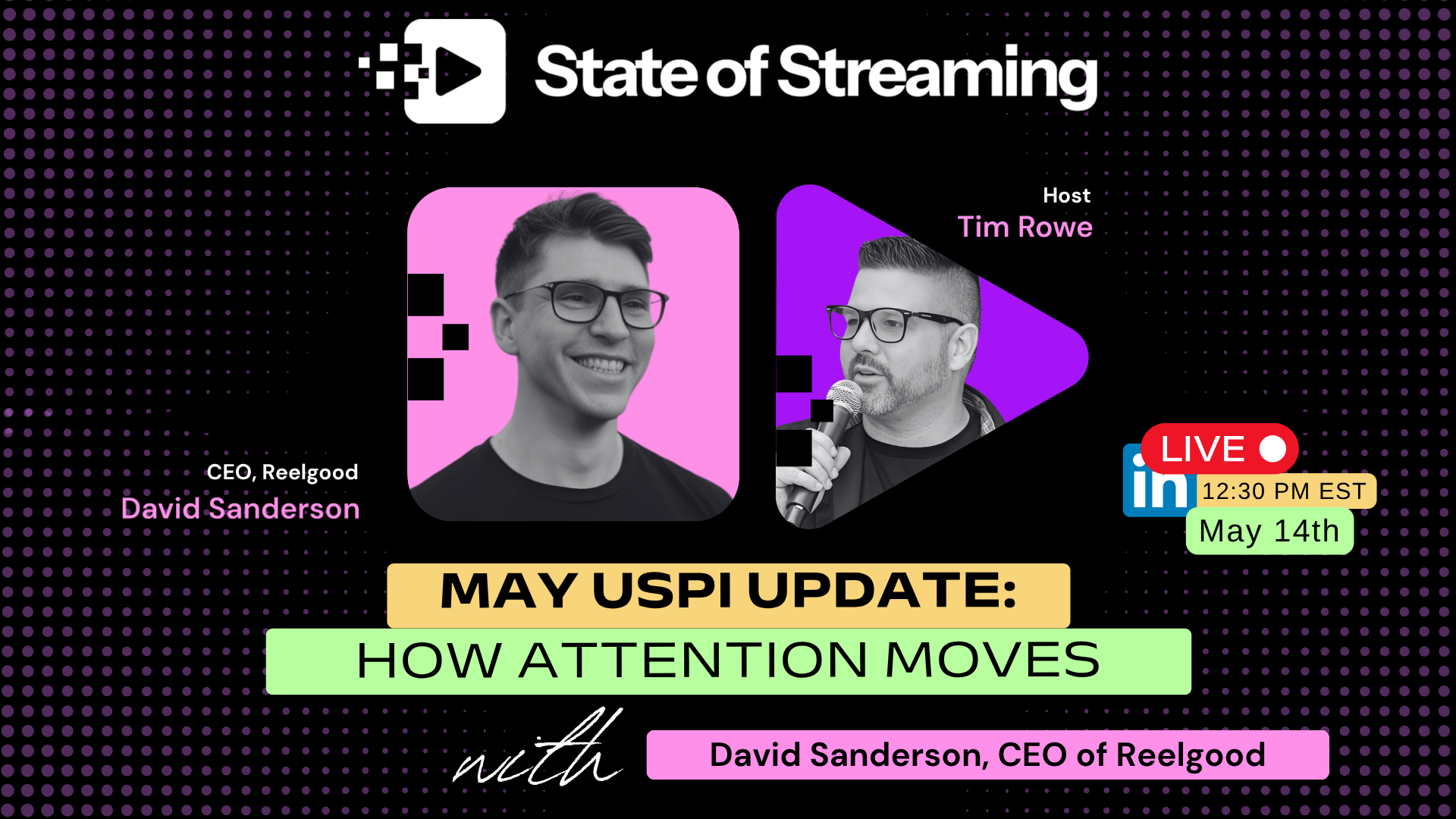
Want to learn about how attention follows content?
Register for the webinar 5/14 with Reelgood CEO David Sanderson here.
Get the SOS. Brief
The sharpest streaming intelligence, delivered to your inbox.