Attention Capital | A Weekly Column by Josh Stein - Part Two: The Wrong WrapperAttention Capital | A Weekly Column by Josh Stein - Part One: The Largest Attention Allocator in the WorldThe New Reality for Cord-Cutters: Plex Overhauls Premium Tier PricingThis Week's StreamScoop Streaming TV GuideCalifornia's Streaming Ad Volume Law Upends Agency PlaybooksThe End of Loud Streaming Ads: How California's SB 576 Reshapes National MediaState of Streaming Presents: Attention Capital | A Column by Josh Stein - WWE Rights Stack (Part Two)SOS. ExclusiveAre You My Mother? Comcast Just Cut Peacock Loose - Here's Who Buys It.The Pre-Validated Screen: Streamers Trade Reality Dating for BookTok IPComcast Just Broke Up With Its Own Business Model. Here's Why Your Streaming Budget Should Care.State of Streaming Presents: Attention Capital | A Column by Josh Stein - WWE Rights Stack (Part One)This Week's StreamScoop Streaming TV GuideBeyond the Follower Count: The 'Social-to-Theatrical' Pipeline Saving the Box OfficeGaming the Front of the Line: A New State of Streaming Contributor Enters the ChatSports Teams Have Been Giving Away Their Most Valuable Asset. Kiswe Is Helping Them Take It Back.Attention Capital | A Weekly Column by Josh Stein - Part Two: The Wrong WrapperAttention Capital | A Weekly Column by Josh Stein - Part One: The Largest Attention Allocator in the WorldThe New Reality for Cord-Cutters: Plex Overhauls Premium Tier PricingThis Week's StreamScoop Streaming TV GuideCalifornia's Streaming Ad Volume Law Upends Agency PlaybooksThe End of Loud Streaming Ads: How California's SB 576 Reshapes National MediaState of Streaming Presents: Attention Capital | A Column by Josh Stein - WWE Rights Stack (Part Two)SOS. ExclusiveAre You My Mother? Comcast Just Cut Peacock Loose - Here's Who Buys It.The Pre-Validated Screen: Streamers Trade Reality Dating for BookTok IPComcast Just Broke Up With Its Own Business Model. Here's Why Your Streaming Budget Should Care.State of Streaming Presents: Attention Capital | A Column by Josh Stein - WWE Rights Stack (Part One)This Week's StreamScoop Streaming TV GuideBeyond the Follower Count: The 'Social-to-Theatrical' Pipeline Saving the Box OfficeGaming the Front of the Line: A New State of Streaming Contributor Enters the ChatSports Teams Have Been Giving Away Their Most Valuable Asset. Kiswe Is Helping Them Take It Back.
Distribution

So Fox Wants to Buy Roku. Do You Know Why?
TR
Tim Rowe
Jun 20265 min read
So Fox Wants to Buy Roku. Do You Know Why?

The market shook Monday when news broke that Fox submitted a $22 billion offer to acquire the entirety of the Roku business. Shock. Awe. Confusion.

But it shouldn't have been a surprise. Not to you reading State of Streaming.

Our June Unified Streaming Power Index (USPI) — published before the deal surfaced — ranked Roku, the entirety of the company, as the #1 most important company in streaming for an advertiser to be partnered with.

Not because of its content library. Not because of any one thing really. Purely because it controls the physical and virtual gateway to 60M active monthly U.S. households with a total install base of 100M households.


Why Those Numbers Matter

The chart below is from the United States Census Bureau and gives you a definable sense of the known "internet connected" universe. For our readers, we look at two numbers: the first is the lowest common denominator — Broadband such as cable, fiber optic, or DSL— meaning a hardline internet connection is the primary means of connecting to the internet.
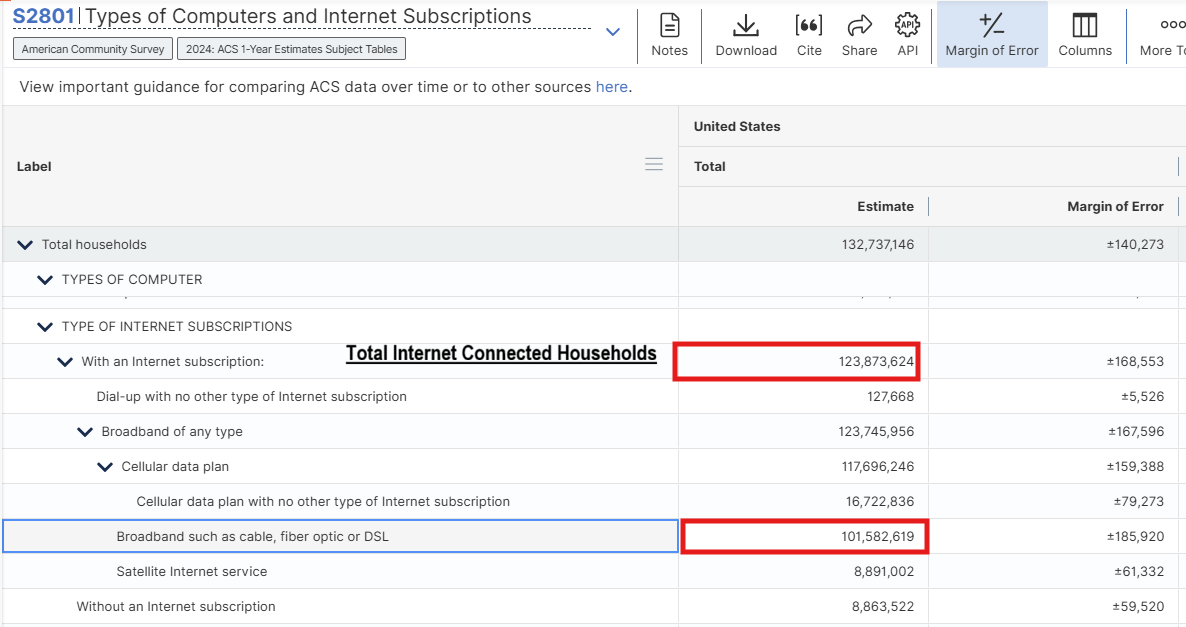
You'll also notice the total households, 132,737,146, giving us guardrails for understanding the scale and impact of 60,000,000 active monthly households and penetration into more than 100,000,000 households.
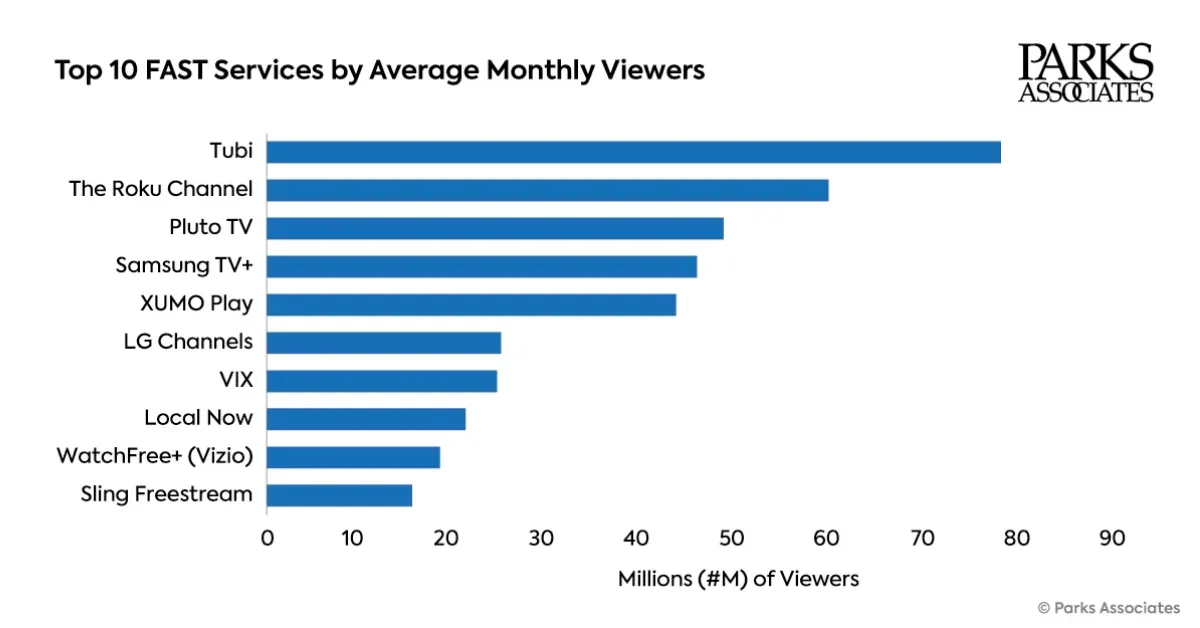
(Chart courtesy Parks Associates)

(Image Courtesy of The Desk)

For comparison YouTube reaches 90% of U.S. households.

Independently neither of those things is good or bad only relative and the foundation for a more insightful conversation about what the true significance of this deal could be.

June Unified Streaming Power Index (USPI)

Our pillar release each month is a ranking of the companies we believe are most important to understanding streaming. Here's how we ranked the Fox/Roku properties before the deal was ever announced.

  • Roku (#1): Controls the home screen gateway across 100 million households. Every major streaming service must launch through its interface. The point of discovery before any app opens.

  • Tubi (#9): Fox-owned. Non-wrapper World Cup coverage. Cost-effective, high-momentum, massive sports audience reach without paying linear premium rates. Fox already has a piece on the board.

  • Fox One (#18): Brand new direct-to-consumer product launching straight into the World Cup. Clean premium inventory access. High live-sports momentum. One critical problem: no scale.

If you read those three entries together then you understand Fox's entire strategic vision.

  • They have the rights.

  • They have the content stack.

  • They have a nascent DTC product finding its footing.

What they're missing is the OS-level gateway that every viewer passes through before any of it matters.

So they bought it.


What It Does and What It Doesn't Do

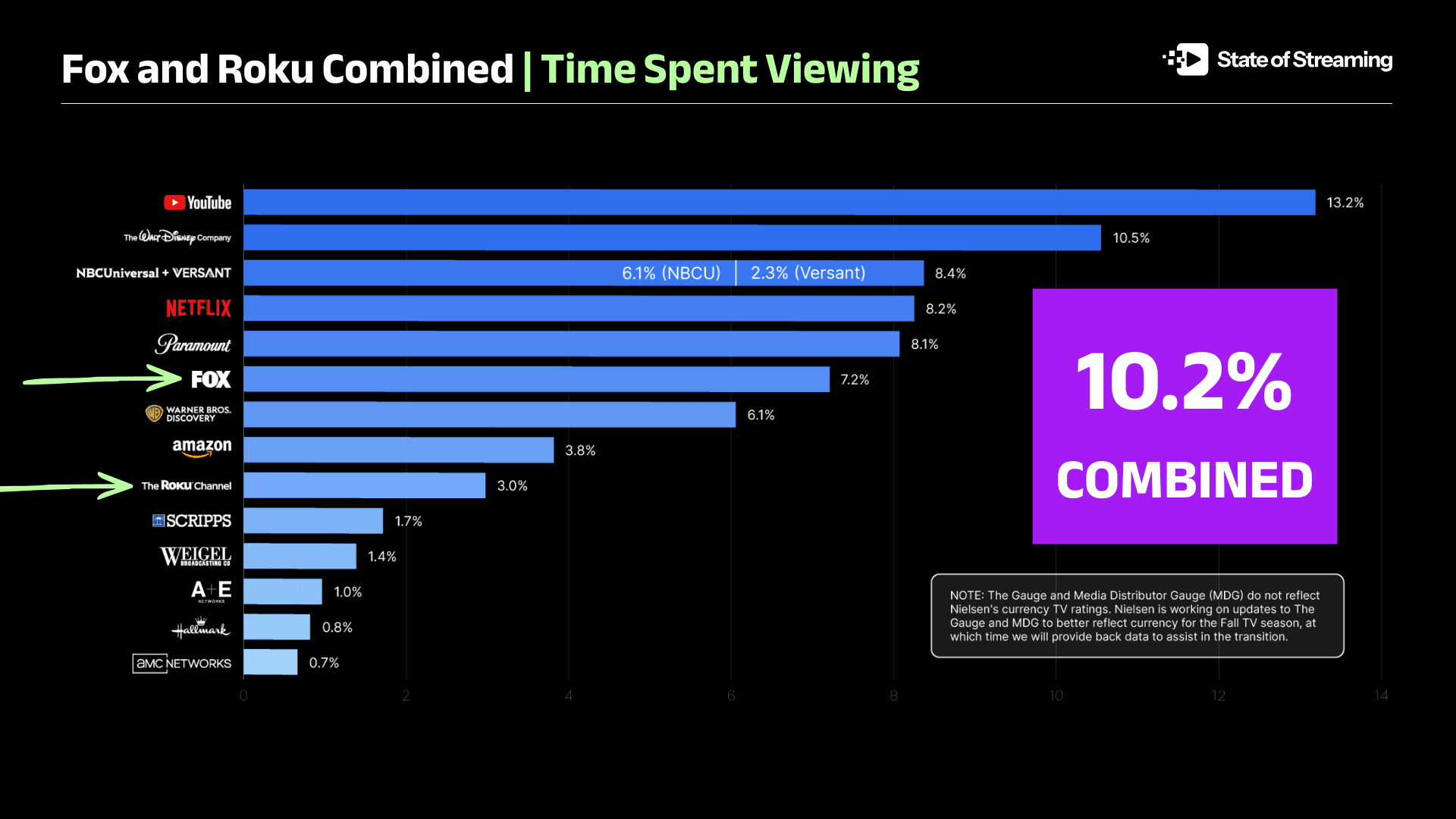
It doesn't make Fox the biggest player in streaming. YouTube commands nearly 8 minutes of every hour Americans spend watching video content on a television. That ceiling doesn't move regardless of what Fox acquires.

What it builds is something more interesting: A genuine moat in a space rapidly collapsing into fewer layers between the viewer and content.

Combined, Fox and Roku would account for 10.2% of U.S. TV watch time — 6.1 minutes of every hour, per Nielsen's March 2026 data. For context, Disney's consolidated portfolio sits at 10.5%. This is a three-way race at the top of the American attention economy, with gaps measured in seconds per hour, not market share points.
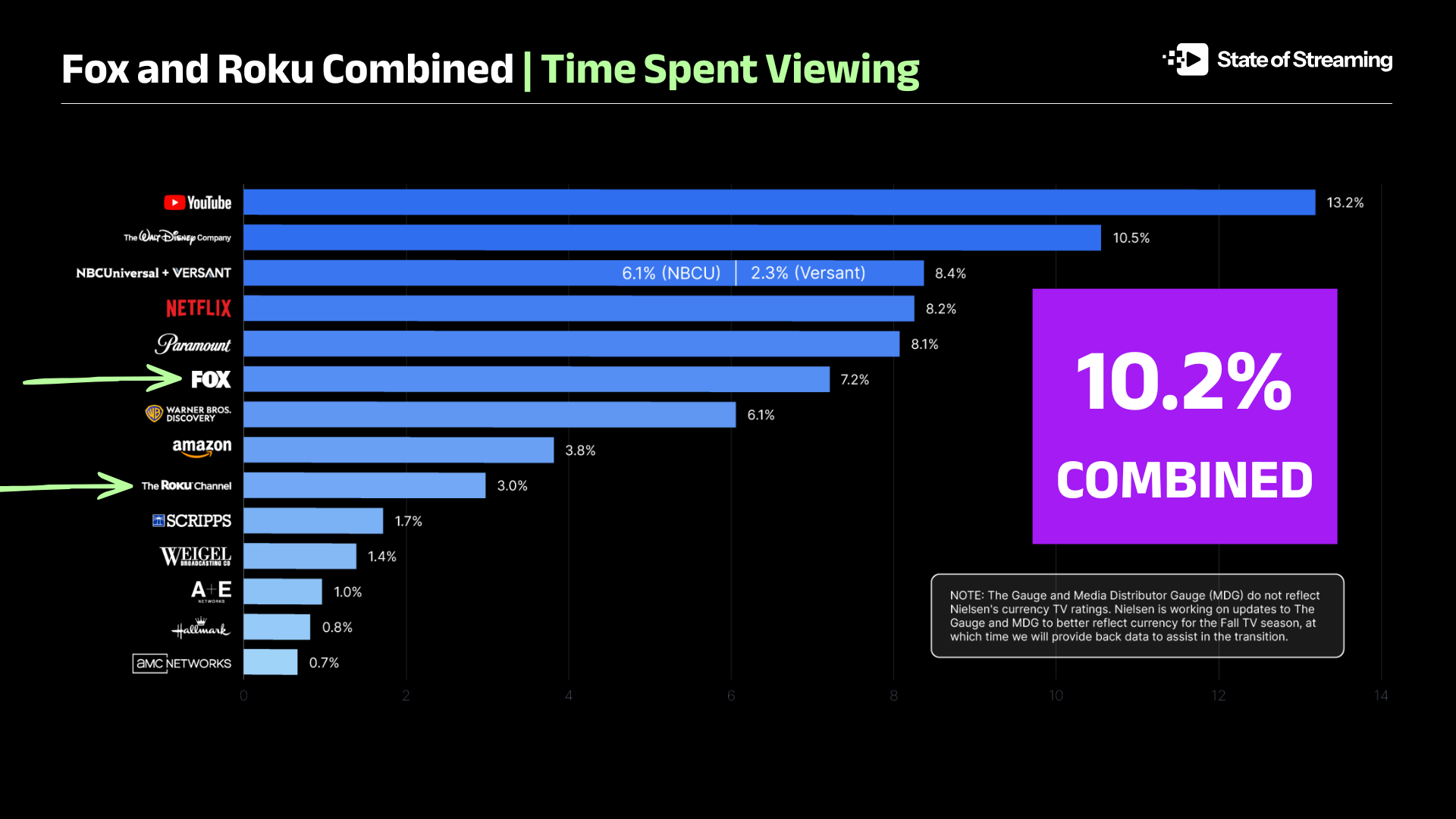
Fox brings the rights portfolio that still commands the largest live audiences in American television — NFL Sundays, World Cup, MLB, Big Ten football, Fox News, local broadcast affiliates. The two content categories streaming has never fully solved and linear has never fully surrendered: live sports and news.

Roku brings the infrastructure: the #1 streaming OS across the U.S., Mexico, and Canada, 100 million active households, and — announced the same week the offer surfaced — the first new home screen design in a decade.

Together they become the most credible challenger to the "linear is dead" narrative the rest of the industry has been repeating without examining. Fox/Roku doesn't eulogize linear. It absorbs linear's most defensible assets and ports them into the OS layer that controls how streaming content gets discovered.

That's a moat. Live sports rights plus distribution infrastructure plus the home screen. Nobody else in streaming has all three on the same stack.
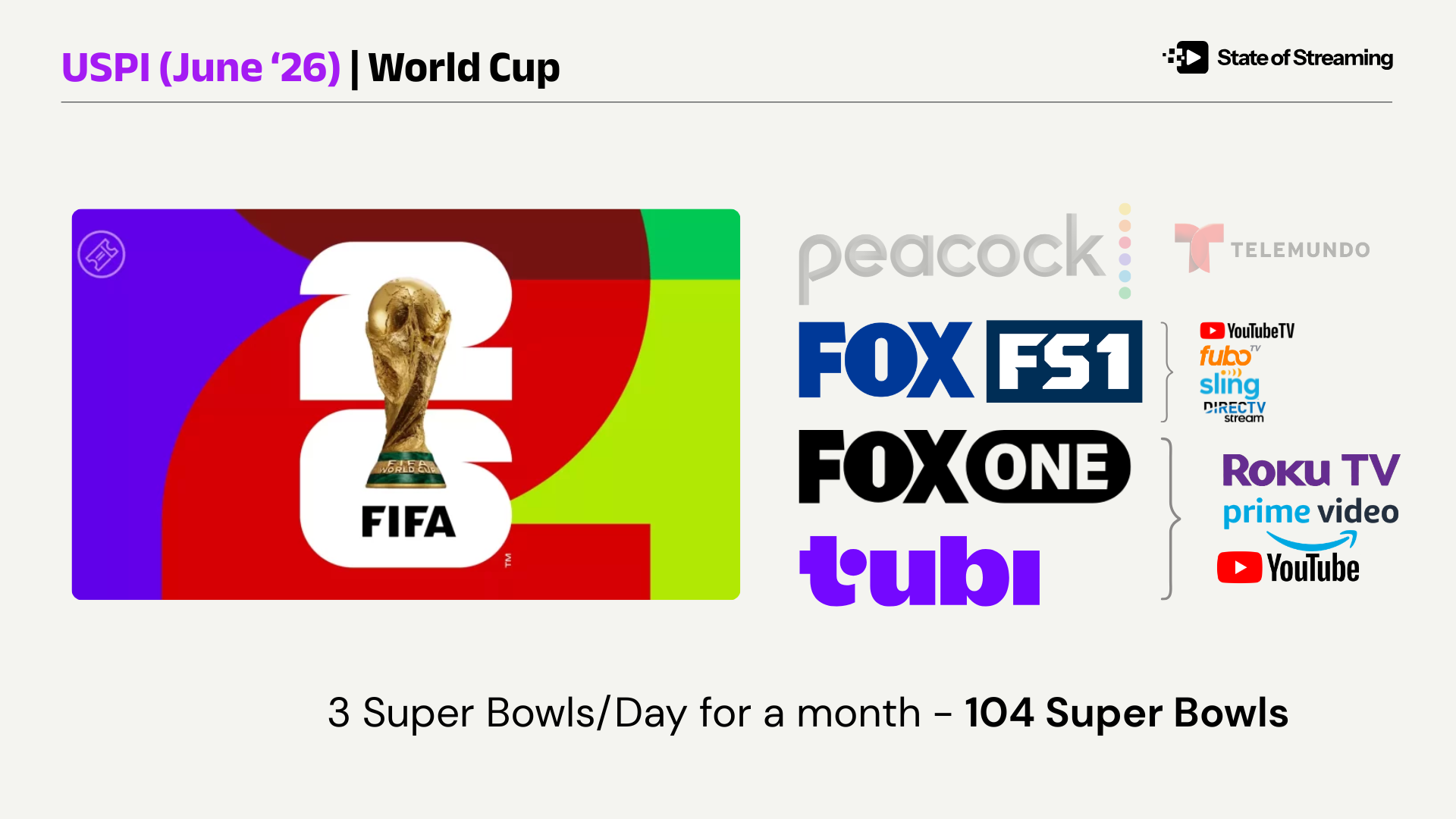
Read about the Fox World Cup strategy next


What the Deal Doesn't Solve (Yet)

The skeptic's case deserves a hearing, because it points directly at the work still ahead.

Fox/Roku lacks a unified measurement and identity stack.

Our USPI ranks Amazon Ads/Prime Video at #2 because it has elite operating system positioning (88M households) and closed-loop attribution driven by its retail data footprint — the ability to connect a home screen impression to a purchase, a subscription, a viewing session, and an advertiser outcome in a single attributed chain. Amazon is a different animal entirely. AWS, Prime, retail data, and ambient household presence across multiple business lines create a structural advantage that a Fox/Roku combination cannot replicate in the near term.

Without that identity layer, the platform's commercial ceiling sits below what its audience footprint suggests. That's the mission. Not just owning the moment before a viewer presses play — but proving, to a media buyer, exactly what happened because of it.

Why UX/UI Matters More Than Ever

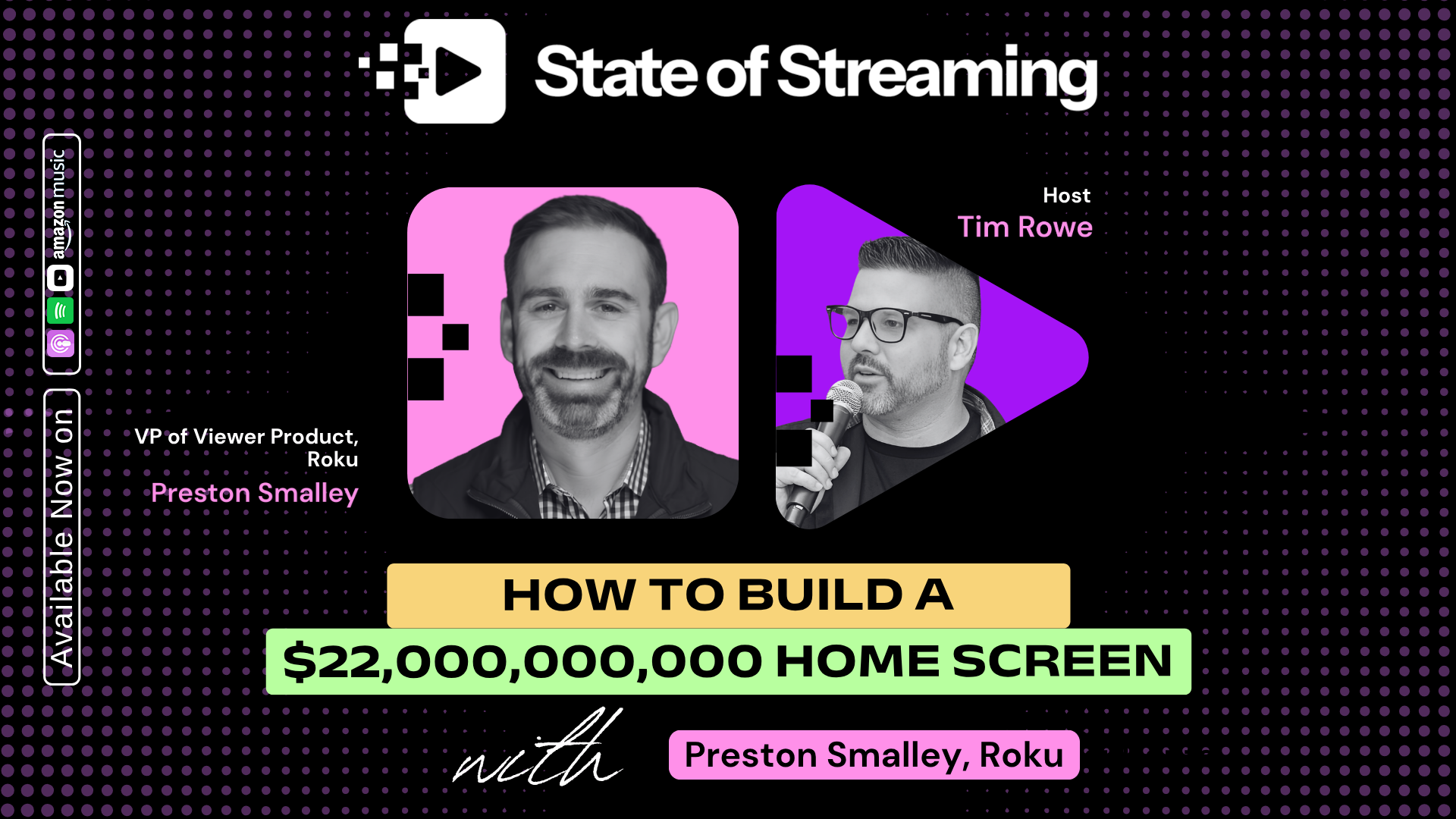
Lucas Bertrand, CEO of Looper Insights, joined us this week — after our conversation with Roku VP of Product Experience Preston Smalley — to preview the trends and insights his team is observing inside the user experience of more than 300+ connected TV OEMs.

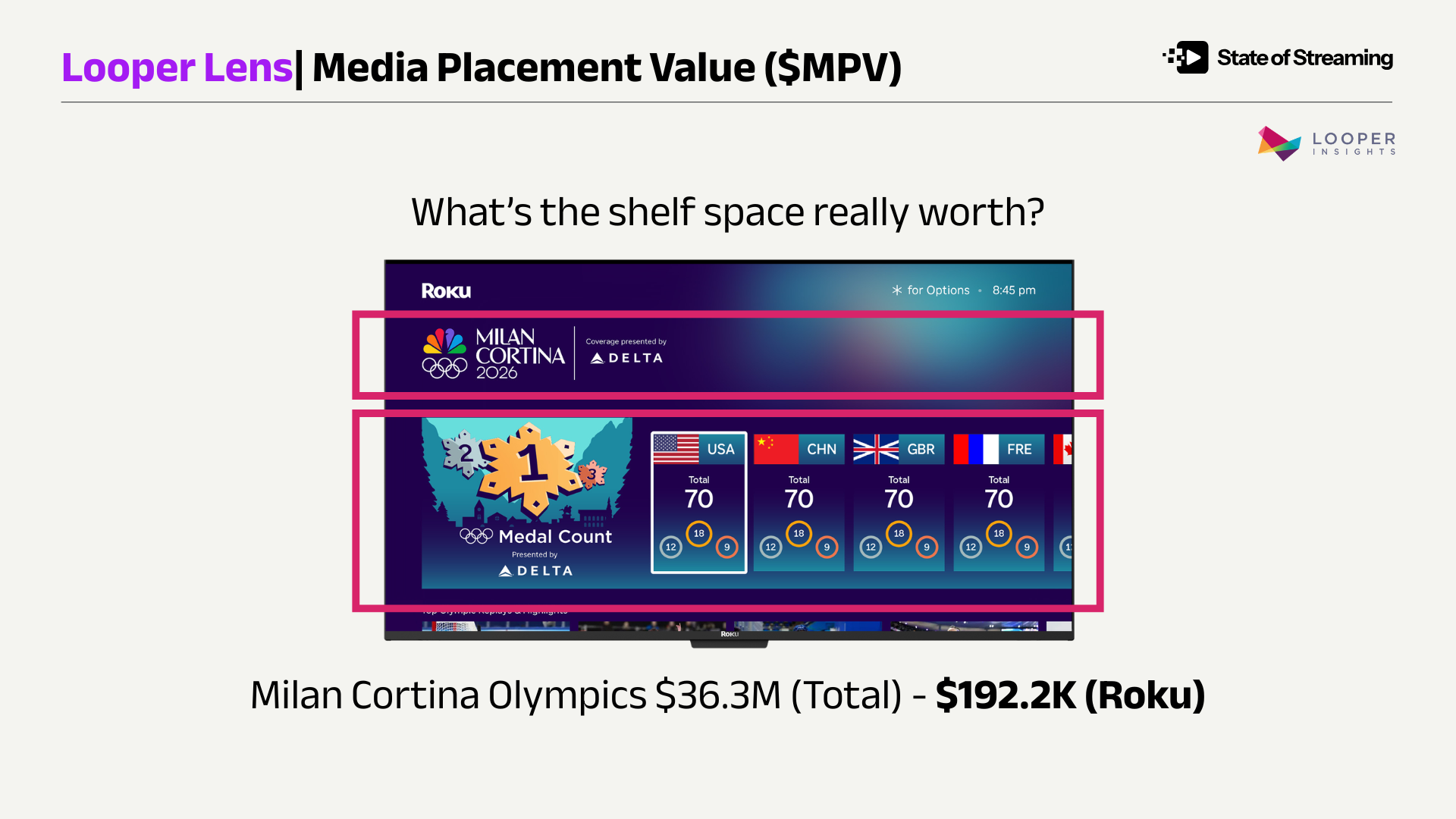
Looper compresses these insights into estimated media value for the merchandising surface area of a streaming home screen.

The Q1 2026 data solidified the home screen's commercial value. The Milan Cortina Winter Olympics generated $36,340,043 in Media Placement Value ($MPV) with Roku's dedicated hub driving outperformance against the platform's own summer benchmarks.

The Platform Play

Bertrand put it plainly:

"Fox's acquisition of Roku shows that the next phase of streaming competition is no longer just about owning content. It is about controlling the environment where viewers decide what to watch. The connected TV home screen has become one of the most valuable pieces of media real estate, shaping discovery, app selection and advertising value before a viewer ever opens a service. For Fox, Roku offers a way to connect content, distribution, data and monetization at the operating system level."


Listen to our full conversation with Lucas Bertrand of Looper Insights →

podcast.stateofstreaming.com/looper-insights-q2-2026-preview

Companion episode with Roku VP of Product Experience Preston Smalley → podcast.stateofstreaming.com/roku-preston-smalley
June USPI rankings →

June USPI

State of Streaming
RankCompanyRationaleHome Screen rankLive Sports RankCPM
1Roku (Universe)Roku clinches the top spot because it controls the physical and virtual gateway to television, making it an essential purchase during the densest live-sports month on record. Because every major streaming service must launch through its interface, advertisers win by capturing massive, high-intent audiences at the absolute point of discovery before they ever click into a specific app.1$
2Amazon AdsAmazon offers an unmatched, full-funnel ecosystem by holding elite positioning across the operating system, premium addressable app inventory, and owned live-sports rights. Advertisers benefit from direct access to premium, non-wrapper live sports inventory combined with closed-loop attribution driven by Amazon's massive retail data footprint.4$$
3PeacockPeacock leverages its ownership of premium live sports and Spanish-language World Cup broadcast rights to dominate engagement without relying on third-party aggregators. For advertisers, this means high-momentum, premium ad availability tied to massive cultural events where the broadcaster controls both the feed and 100% of the ad inventory.5$$$
4Disney+Following the consolidation of Hulu and the active tiling of ESPN across its platform, Disney+ has transformed into a scaled, multi-genre powerhouse. Advertisers gain a highly streamlined, massive footprint that merges top-tier entertainment with live sports, effectively capturing cross-demographic audiences on a single surface.$$$$
5ESPNAs the absolute leader in live sports momentum with the NBA Finals and Stanley Cup Final, ESPN remains the gold standard for high-impact, live-reach environments. Advertisers pay a premium CPM here because they are buying owned, non-wrapper inventory during the highest-rated television broadcasts of the season.1$$$$
6Paramount+By absorbing Pluto TV, Paramount+ has successfully paired a premium, hit-driven SVOD catalog with a highly accessible FAST "front porch." This creates a balanced, scaled environment for advertisers looking for both prestige placements and continuous, addressable mass reach.$$$$
7HBO MaxWhile HBO Max remains an elite destination for high-CPM prestige content and targeted addressable ads, its loss of the NBA broadcasting rights severely cripples its live sports momentum. Advertisers should look here for high-quality, culturally relevant entertainment environments, but look elsewhere for real-time sports scale.$$$$
8NetflixNetflix maintains massive scale and commands top-tier CPMs, but its complete absence from the current June live sports landscape limits its immediate seasonal urgency. Advertisers should view it as a premier destination for cinematic storytelling, keeping in mind that its blockbuster sports inventory is a back-half story.$$$$
9TubiTubi is experiencing a major surge by pairing free addressable supply with Fox-owned, non-wrapper World Cup coverage. This presents advertisers with an incredibly cost-effective, high-momentum vehicle to capture massive sports audiences without paying traditional linear premium rates.$
10Samsung TV PlusRunning in 46 million ad-supported households, Samsung offers the largest pure OEM home-screen footprint on the market. Advertisers can utilize this layer to buy high-impact native display ads that capture consumer attention the exact second the television screen turns on.2$
11LG ChannelsLG provides a highly scaled operating system footprint that captures over 25 million ad-supported households via its native home screen and LG Channels. It represents a vital, non-fragmented buy for advertisers looking to secure broad, top-of-funnel reach before viewers disappear into ad-free premium tiers.3$
12VizioAnchored by Walmart ownership, Vizio bridges the gap between home-screen media placements and first-party retail purchase data. This enables advertisers to run highly targeted, closed-loop CTV campaigns where ad exposure can be directly tied to actual register sales.5$
13Xumo PlayPacking the combined distribution muscle of Comcast and Charter, Xumo offers a growing OEM front door with an enterprise-grade ad stack. Advertisers should eye this platform for robust, infrastructure-backed scale that targets cord-cutters right at the hardware level.$
14Google TVGoogle bypasses the expense of manufacturing proprietary TV sets by aggressively embedding its OS into high-volume retail movers like TCL and Hisense, while anchoring store shelves with its own premium Google TV Streamer and Walmart's ultra-affordable, white-label onn. devices. This dual-lane retail strategy inserts Google's ad-supported interface directly into both premium tech households and value-driven mass markets at the point of purchase.$
15YouTube TVDespite drawing massive sports audiences for the World Cup and Sunday Ticket, YouTube TV operates as a wrapper that passes the vast majority of its ad inventory back to the networks. Advertisers must understand that while its reach is massive, sellable ad availability is structurally limited to local and dynamic avails.3$$$$$
16FuboTVFubo is actively trying to break through the wrapper ceiling by migrating its ad inventory directly onto the Disney Ad Server stack. This allows advertisers to buy a hyper-concentrated, highly loyal sports audience at a premium rate, pitched seamlessly alongside legacy giants like ESPN and Hulu.4$$$$
17CrunchyrollCrunchyroll bypasses mass-scale metrics to deliver an incredibly loyal, hyper-engaged anime audience with unmatched community stickiness. Advertisers looking for cultural relevance over raw numbers can tap into an elite, hard-to-reach demographic that cannot be easily replicated on broad streaming platforms.$$$
18Fox OneAs a brand-new, direct-to-consumer destination launching straight into the World Cup, Fox One holds high live-sports momentum but lacks foundational scale. Because Fox owns the feed, advertisers get clean access to premium inventory, though they must pair it with other platforms to achieve meaningful reach.2$$$$
19PhiloPhilo operates as a low-cost, entertainment-focused skinny bundle with minimal sports presence and very little sellable ad inventory. It matters to advertisers primarily as a niche, highly stable budget wrapper for reaching specific cord-cutting lifestyle demographics.$$$
20DirecTV StreamSitting at the bottom of the board, DirecTV Stream represents the inherent risk of the wrapper model after suffering catastrophic mid-series blackouts during the Stanley Cup Final. Advertisers should approach with extreme caution, as severe carriage disputes directly threaten live-ad delivery during critical cultural moments.$$

Get the SOS. Brief

The sharpest streaming intelligence, delivered to your inbox.